

























































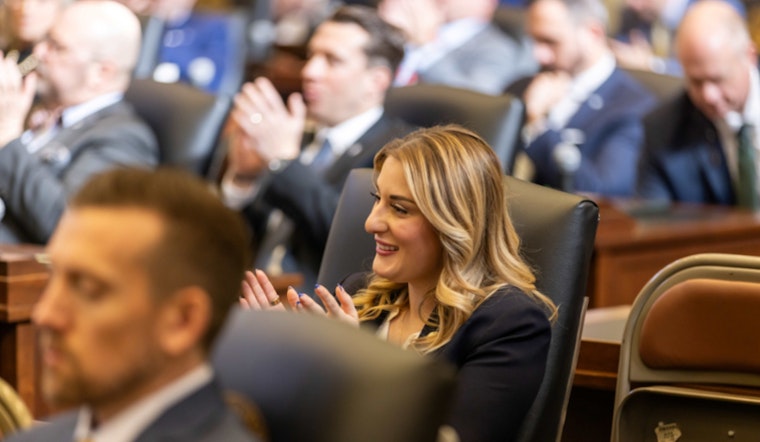
Oklahoma's House Bill 1600, known as the Lori Brand Patient Bill of Rights Act of 2025, is one step closer to becoming law after passing through the House Public Health Committee by a significant majority. Authored by Rep. Emily Gise, R-Oklahoma City, the bill aims to firmly establish a patient's rights to respectful and informed medical care. "This legislation is going to do a lot of good for Oklahoma families," Gise said in a statement obtained by the Oklahoma House website. The vote was 5-1 in favor, a decisive move signaling collective support for patient care's evolution within the state.
The legislative journey, however, is not yet complete as the bill must now move to the Health and Human Services Oversight Committee. If it passes there, the Lori Brand Patient Bill of Rights Act will encode into law various protections for patients. These protections include the right to informed consent, access to one's medical records, and privacy. The legislation is named after Lori Brand, who succumbed to a rare autoimmune disease during a time when accessing healthcare posed extraordinary challenges.
Gerald Brand, Lori's husband, has been a vocal proponent for a patient bill of rights following his wife's passing. He emerged as a champion of change, testifying to the heartrending inadequacies in care experienced by Lori during the straining time of the COVID-19 pandemic. "Gerald has been instrumental in pushing for these patient protections, turning his family's tragedy into a movement for change," Gise explained, according to the Oklahoma House statement. His efforts, rooted in personal loss, have since become the bedrock for this potential legislative reform.
One critical aspect of the bill is its special focus on minors, ensuring they not only receive professional care in environments attuned to their needs but also have the chance to actively be involved in medical decisions regarding their well-being. Gise reinforces the importance of this, stating, "We want every Oklahoman, no matter their age or circumstances, to feel safe, heard and respected when seeking medical care," a statement obtained by the Oklahoma House.





