

























































As February rolls in, Oregon residents are being urged to sharpen their awareness of natural disasters, specifically earthquakes and tsunamis, after Governor Tina Kotek officially designated this month as Earthquake and Tsunami Awareness Month in the state.
The history of tremors and tidal waves is not lost on Oregon. Having previously experienced the damage from the moderate Scotts Mills and Klamath Falls earthquakes in 1993 and reeling from the 1964 tsunami set off by seismic activity in Alaska, the state faces a lurking giant beneath—the Cascadia Subduction Zone, which harbors the potential to unleash cataclysms akin to the devastating 2011 event in Northeastern Japan; such events can usher in severe ground shaking followed by destructive tsunamis.
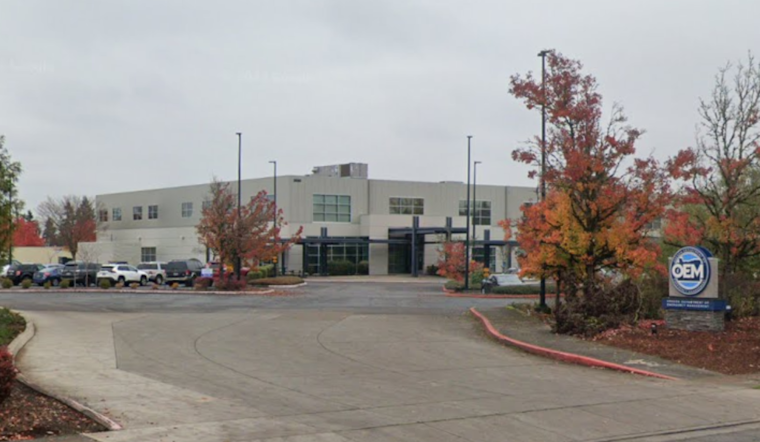
Recognizing the stakes, state, Tribal, and local agencies have been investing in natural hazard mitigation planning, working on seismic strengthening of buildings, and educating the public on tsunami evacuation routes—the collective aim is to pare down the tragic toll of these natural events on human lives and property, according to the Oregon Department of Emergency Management (OEM).
This February, OEM and Interagency Hazard Mitigation Team (IHMT) members are rallying to spotlight local and regional strategies for quake and tsunami mitigation education for residents and visitors alike—with social media channels and OEM's website slated to serve as platforms for prepared tips and the forthcoming Tsunami Preparedness Roadshow sweeping through coastal communities from February 27 through 28; a suite of resources is also available for those seeking to buttress their preparedness including the Be2Weeks Ready Toolkit and the Oregon Tsunami Inundation Map (TIM) Series which can be instrumental in plotting out evacuation routes and safety strategies.





