

























































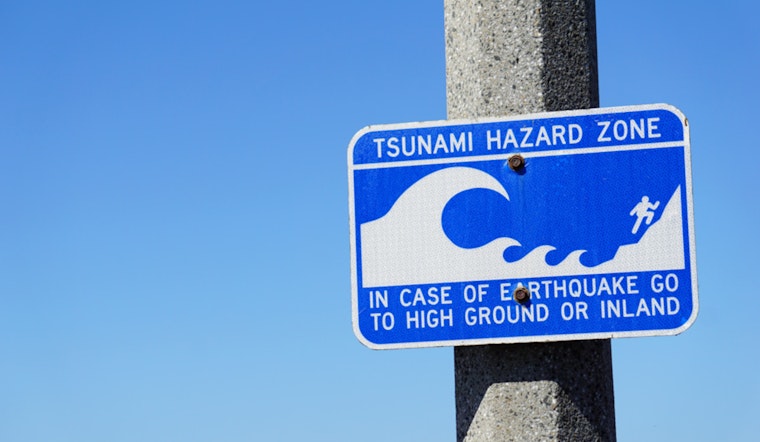
The coast of Oregon has a long history with tsunamis, enduring 21 since 1854. Notably, the Oregon Office of Emergency Management (OEM) highlights the disasters following the 1964 Great Alaskan Earthquake and the 2011 Great Tohoku Japan Earthquake, which caused significant damage and loss of life in the region. As such, understanding how to prepare for these unsettling natural events is not just important— it's a community imperative.
OEM, which has published a raft of resources on tsunami readiness, advises that the first step is "Know Your Risk." Living or traveling on the Oregon Coast means recognizing the presence of danger zones and learning the quickest way to high ground, as well as registering for local emergency alerts. Despite having developed sophisticated warning systems, they remind us that "the earthquake may be your only warning." According to the OEM's guidance, in the event of an earthquake, you should "stop, drop, hold on—then get out of there as soon as the shaking stops."
For those residing in or visiting areas threatened by tsunamis, OEM recommends having a detailed emergency plan. This includes knowing and practicing evacuation routes, establishing meet-up spots, and maintaining a communication plan. A crucial piece of advice from OEM is, "It’s a good idea to have a person who lives out of the hazard zone act as a single point of contact for everyone in the family." This helps with information flow and confirmation of safety when disaster strikes.
OEM also suggests carrying or stockpiling emergency supplies such as food, water, medications, and first-aid essentials. Unexpectedly, they suggest storing these supplies in a space outside the designated tsunami zone that family members can easily access on foot. Education extends beyond simply having a plan, as OEM further advises, "Learn the natural warning signs of tsunamis, such as strong earthquakes or sudden changes in sea level." Consistent practice and discussions about these signs can make the difference in a real emergency situation.
At the community level, collaboration with local emergency management is key. OEM highlights the importance of CERT groups and other community organizations in disaster response and recovery. Involvement in local government initiatives, hazard mitigation planning, and infrastructure strengthening is critical. OEM emphasizes engagement with initiatives like the Be2Weeks Ready program and participation in community drills and exercises. It’s another way that safety nets are woven, rendering aid with neighbors and friends when it's most needed.
OEM also states, "Most hazard mitigation assistance grants managed by OEM can only go to certain private nonprofits or state, local, or Tribal governments." These grants aid local leadership in the building of warning systems and structural reinforcements. Engaging with the DOGAMI and local emergency management programs could offer insights into current and future tsunami projects.
For those seeking more information on tsunami preparedness, OEM offers a suite of resources, including a Tsunami Evacuation Drill Guidebook and the comprehensive guide Living on Shaky Ground. Community-level organization and individual awareness are both essential ingredients for minimizing the havoc wrought by tsunamis. After all, "preparation is key to minimizing the impact of tsunamis and protecting lives," as put forth by OEM.





