

























































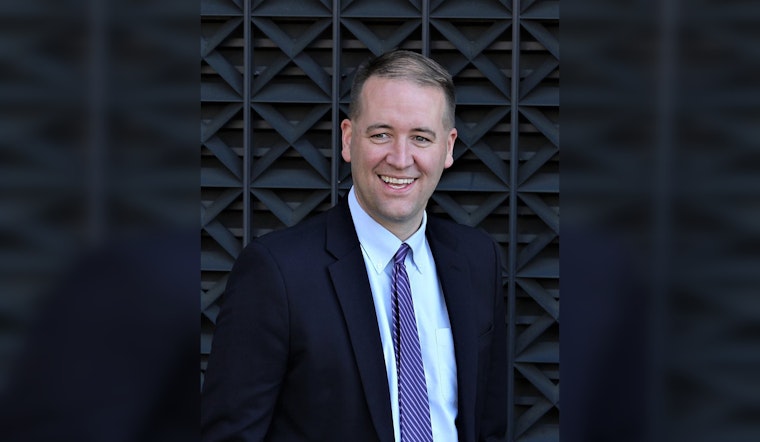
Oregon's Secretary of State Tobias Read has rolled out the Oregon Audits Division's game plan for 2025-26, setting the blueprint for what looks to be a year of financial deep-dives and data-driven dissections across a range of state agencies and programs. In a statement made by the Secretary of State, Read emphasized the importance of transparency in fostering trust between Oregonians and their government. "Audits help build a relationship of trust between Oregonians and their government. That's why it's so important that the best interest of the people, not politics, guide how we select, execute, and implement the findings of these audits," he noted.
This year, the stage is set for a new batch of performance and IT audits targeting sectors that are a concern for both the public coffers and the citizenry. The roster includes Adult Protective Services at the Oregon Department of Human Services and a look at the Cloud Security Strategy managed by Enterprise Information Services. Meanwhile, the Department of Administrative Services is slated for a review of Fleet and Parking Services and an evaluation of Workday Application Controls, according to the Secretary of State.
The agenda also outlines plans to assess social services and safety protocols. The Annual Audit Plan details Oregon's approach toward addressing systemic risks in governance. Investigations like the one at the Office of Public Defense Services and into Young Adults in Custody Safety and Wellness at the Oregon Youth Authority are about to get underway. Additionally, the Oregon Health Authority will have its Medicaid Program Data Analytics Projects put under the microscope.
Ensuring that the state machinery operates without a glitch and remains approachable to the diverse populace it serves is also a key focus. That's why the Audit Plan includes probes into State Program and Service Language Accessibility statewide, as per the Secretary of State. While these audits may have roots firmly planted in pragmatic concerns, their anticipated outcomes have the potential to significantly reshape the landscape of Oregon's public services.


