

























































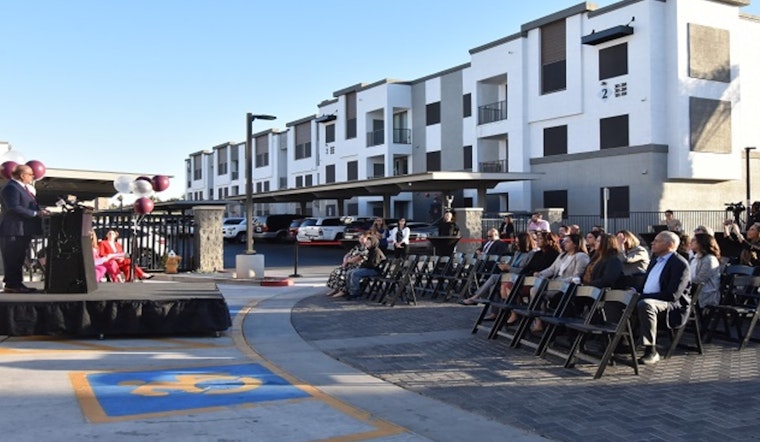
In what many are calling a significant stride in the ongoing housing crisis, Phoenix has officially surpassed its own objectives, creating or preserving a noteworthy 53,000 housing units, well ahead of the initial ten-year target timeframe. The City of Phoenix made this achievement public as of December 31, 2024, according to a press release from the city's housing department. This plan, known as the Housing Phoenix Plan, was set into motion in June 2020, with a goal to ramp up the housing supply for diverse incomes and family sizes.
With an evident pride for surpassing the ambitious benchmark, Mayor Kate Gallego was quoted saying, "This is a significant milestone for the City of Phoenix. That we are five years ahead of schedule is a testament to the City’s all-hands-on-deck approach to solving these challenges through innovative policies, programs and initiatives." The mayor's statement, echoed by the city's commitment to inclusivity, exemplifies a resolve to keep on aggressively offering a variety of housing options.
Delving into the ratios that define this achievement, close to half of the new or preserved units cater to families earning at or below 120% of Phoenix's area median income. This translates to approximately 20.7% of these housing units being categorized as affordable, while workforce units comprise 24.7%, reflecting Phoenix's broader strategy to tackle the economic spectrum of housing needs head-on.
Housing affordability, a multifaceted and pervasive issue that casts a shadow over many urban centers in the United States, is influenced by a variety of factors beyond municipal control. The Phoenix city leadership has, however, taken proactive strides to make housing both affordable and reachable. These include zoning ordinance changes that were implemented to facilitate more varied housing options, such as accessory dwelling units and changes to multifamily parking standards among other regulatory tweaks.
In addition to these regulatory changes, Phoenix has allocated 20% of its multifamily zoned land—amounting to 36,480 acres—towards housing development, the largest percentage in Maricopa County for cities of comparable size. Moreover, the city has added or planned 1,382 shelter beds since 2022 and ensured that more than 4,200 low-income residents have access to free high-speed Wi-Fi through installations in over 35 affordable housing communities.




