

























































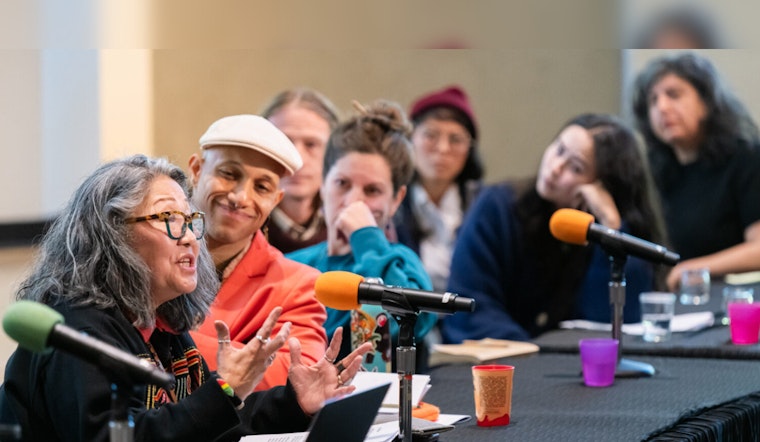
Last October, the Portland Monuments Symposium brought together over a hundred engaged citizens and experts for an important conversation about the city's public art and memory. Hosted by Converge 45 on the Portland Community College Cascade Campus, the event was a platform for people to voice their opinions on what monuments in the city should signify, as well as how decisions regarding these monuments should be made. According to a report by the City of Portland, a significant takeaway was the push for a community-driven approach in the selection and placement of monuments.
Throughout the symposium, the need for monuments to better reflect the city's diverse history was a recurring theme. Portlanders expressed their concerns about how current monuments have often overlooked the contributions and stories of Indigenous people and communities of color. Supporting this, "a common theme was the call for a community-driven approach to ensure a broader range of voices help shape public art decisions," as found in discussions documented by the City of Portland. This call for inclusivity signaled a greater desire for public spaces that accurately and dynamically represent all groups within the community.
Transparency and trust were also central to discussions at the symposium. A clear desire for an open and ongoing dialogue with the city on monument policies emerged, reflecting the participants' skepticism toward the current decision-making processes. As citizens called for more significant influence on outcomes, the City's Office of Arts & Culture acknowledged these concerns in their Arts & Culture statement, underscoring the importance of building trust with the public.
Delving into the complexities of public memory, Portlanders tackled the debate between recontextualizing versus removing problematic monuments. In a report compiled by Portland State University, some community members suggested that new commemorations should "embrace a fuller, more inclusive representation of Portland’s history," as reported by the City of Portland. Meanwhile, others advocated for evolving artworks and installations captured by the PSU report that mirror the evolving narratives of the city's residents. Looking ahead, the Office of Arts & Culture will draw from these discussions to shape future recommendations for the city's approach to monuments, aiming to align them with the city's core values and to adapt engagement strategies for upcoming commissions.
For those interested in staying abreast of these discussions, the Portland Monuments Project's progress can be tracked on their website. Updates will detail how these community-driven conversations will influence the city's approach to public art, as indicated by the available reports and by the commitments made by the Office of Arts & Culture. The full report from Portland State University is available for download, offering detailed insights into the symposium's findings and the collective voice of Portland's people.





