

























































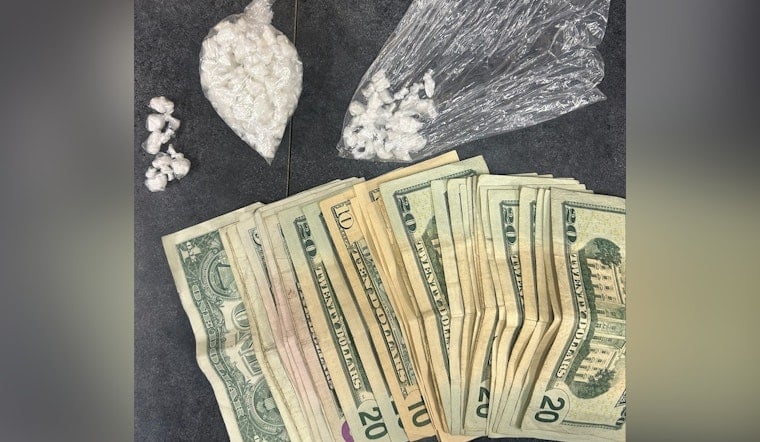
In the Wells-Goodfellow neighborhood of St. Louis, MO, a routine traffic stop led to a more significant find than just expired plates. The St. Louis Police Department post on X details how their District 5 officers, while patrolling the area, pulled over an SUV. During the stop, they discovered more than 30 grams of what was determined to be Crack-Cocaine.
The driver, a 54-year-old man, was arrested on the scene. Following the arrest, the Circuit Attorney's Office moved swiftly to file charges for Delivery of a Controlled Substance. The St. Louis Police Department's update on X shares the outcome of the intervention, which has since been processed through the appropriate legal channels. However, the post does not provide details about the individual or the circumstances leading to the discovery of the illegal substances.
This incident raises ongoing conversations about policing strategies and the targeting of certain neighborhoods for traffic violations, a practice that some critics argue disproportionately impacts communities of color. While this particular instance resulted in the confiscation of illegal drugs, it fits into a broader pattern of law enforcement practices that remains the subject of scrutiny and debate.
The St. Louis Police Department's announcement about the seizure and arrest highlights the routine nature of such operations. Still, the implications of this policing approach, and the subsequent criminal charges filed, are anything but routine for the people and the community involved. This latest incident underscores the complex, intertwined narratives of crime, policing, and justice that continue to play out in the streets of American cities. With ongoing discussions about drug policies and reform, the role of traffic stops in drug law enforcement is an aspect that both policymakers and the public continue to examine.





