

























































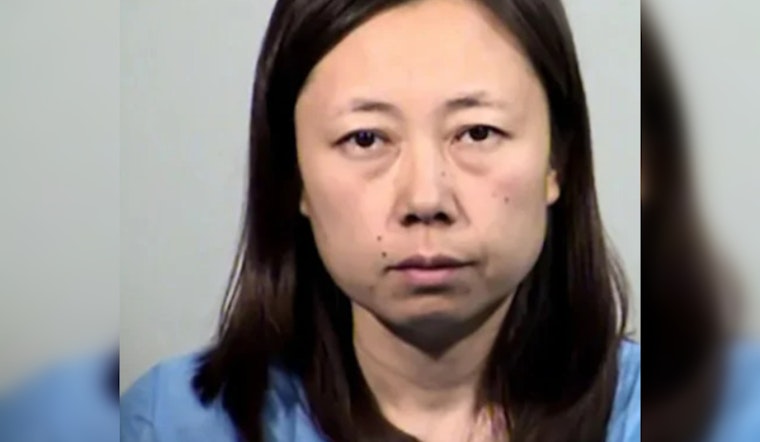
A Tempe woman, Yui Inoue, has been convicted on charges of first-degree murder in the deaths of her two young children, a grisly crime that has shocked the local community. On May 15, 2021, police discovered the bodies of 9-year-old Mia and 7-year-old Kai in their apartment, presenting signs of a violent assault. According to FOX 10 Phoenix, the children were found with "obvious signs of physical trauma," and it was later revealed that they had sustained severe injuries including lacerations, cuts, and amputations.
In a trial that concluded recently, Yui Inoue faced five counts including two counts of first-degree murder. Evidence provided in court depicted a harrowing scene with a substantial amount of blood found at the site and defensive wounds on the children's bodies. The prosecution aimed to firmly establish that Inoue, motivated by anger over marital and financial disputes, carried out the murders with intent. However, Inoue was not present in court when the verdict was read, choosing instead to remain in her jail cell. Despite the defense's efforts to cast doubt by noting Inoue's physical stature and the absence of direct witnesses, the jury rendered a verdict of guilty after short deliberations.
AZFamily provided more details on the prosecution's narrative. "Mia and Kai Inoue were sleeping soundly in their beds when their own mother came into their bedroom holding a knife. A meat cleaver, that is literally designed to cut the bones of animals. And she attacked them with it," the prosecutors argued.
During the closing arguments, the defense attempted to discredit the state's case, highlighting the lack of eyewitness testimony and questioning Inoue's ability to inflict such extensive injuries, which the medical examiner likened to those caused by a guillotine. "She doesn't have the energy, the power, or the strength to cause that type of injury to those kids," the defense stated. Nevertheless, the prosecution countered with the sequence of events and potential motive that pointed exclusively at Inoue as the perpetrator. The case, albeit unresolved in the courtroom, now moves towards sentencing.


