

























































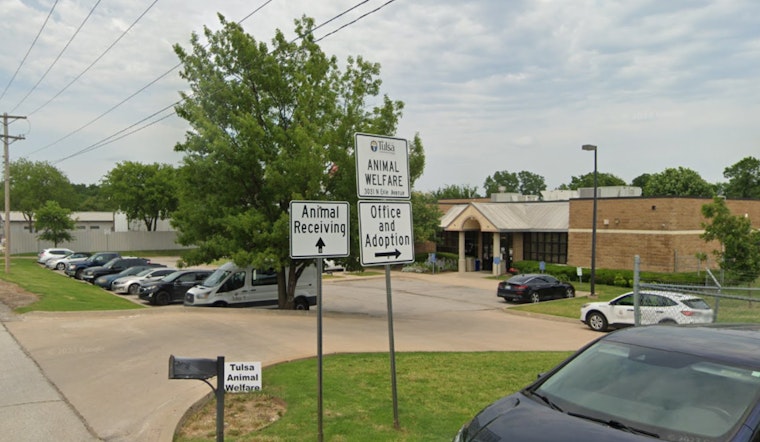
In response to a verified case of rabies infection in a local dog, Tulsa Animal Services has teamed up with the Oklahoma State Department of Health (OSDH) to ensure public safety and awareness. According to details shared by the City of Tulsa's official announcement, the dog in question resided near E. Admiral Pl. and N. Harvard Ave., with the rabies discovery ensuing after a concerned neighbor reported being bitten last Friday, February 14.
During the investigation that followed, Tulsa Animal Services located the owner, who revealed that they, too, had been bitten by the dog between four to six weeks prior—a time when the animal was not infectious. Upon the neighbor's report, the dog was euthanized and buried, but was later exhumed to quickly undergo mandatory rabies testing, as per City ordinance. The tests, conducted by the Oklahoma Animal Diagnostics and Disease Laboratory (OADDL), confirmed the dog's positive rabies status, prompting immediate contact tracing and notification attempts by the authorities.
The owner, the neighbor who filed the bite report, and the veterinary team involved in treating the animal were all informed of the risks of rabies exposure. This incident is presumed isolated, but the city is actively taking precautionary steps by informing Tulsa area animal service providers and preparing to set up rabies vaccination clinics near the location of the occurrence.
While Tulsa continues to closely monitor the situation, they are also laying out preventive measures to avoid the spread of rabies, which they encourage pet owners to follow. These include supervising pets, avoiding outdoor feeding, and properly disposing of food scraps to deter wild animals. Moreover, Tulsa Animal Services stresses the importance of up-to-date vaccinations, mandating them by both City Ordinance and State Law to have a licensed veterinarian administer the vaccine for it to be legally recognized.
Residents are reminded by Tulsa Animal Services, through their announcement, to not delay reporting an animal bite by calling (918) 596-8001, and the OSDH Epidemiologist-on-Call is available 24/7 at (405) 426-8710 to provide guidance concerning rabies or post-exposure prophylaxis. With an average incubation period of one to three months, but potentially as long as a year, it's crucial for those advised to receive post-exposure shots to immediately follow through.





