

























































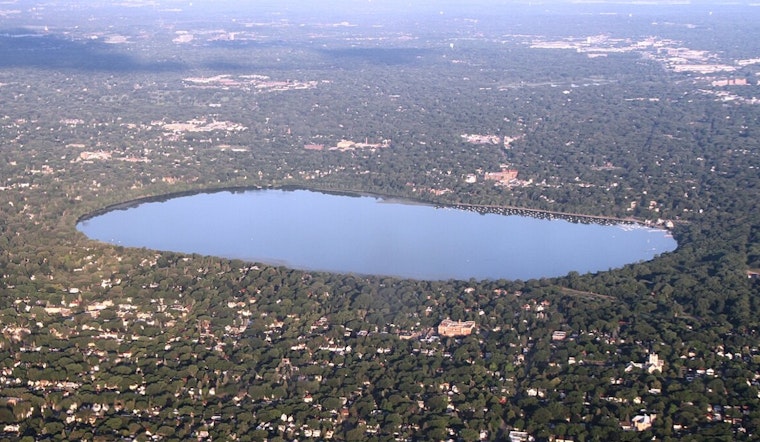
Minnesota's battle against icy roads and hard water has a lesser-known consequence: increased salt pollution in its lakes and groundwater. Researchers from the University of Minnesota are shedding light on the environmental toll of our reliance on salt, both for de-icing and for domestic water softening. Although initiatives are in place to address this issue, the call to action remains urgent for both public entities and residents alike.
Andy Erickson, associated with the Center for Transportation Studies and a research manager at the St. Anthony Falls Laboratory, highlighted the gradual yet significant rise in Minnesota's salt levels. He stated in a report released by the University of Minnesota that "the concentration of salt in our lakes and groundwater has increased significantly," a trend starting since the 1950s, which now threatens the diversity of local ecosystems and potable water supplies. Offering a silver lining, Erickson mentioned state-funded road salt alternatives research and smarter salting strategies, aimed to mitigate further environmental damage.
On the homefront, Sara Heger, a researcher and instructor part of the Water Resources Center, notes that household water softeners play a notable role in this salty saga. She warned that "water softeners are the largest source" of chloride to around 100 wastewater treatment plants impacting water quality in Minnesota. As these facilities find their way to surface waters, Heger advocates for homeowners to adopt newer, more salt-efficient technologies and better softener settings.
While road salt is a well-known pollution source, Heger elucidated the significant impact of residential water softeners in a statement to the University of Minnesota. Technological advancements can render water softening more environmentally friendly, which is not only beneficial for the ecosystem but may also aid in averting preventative measures' rising costs to offset salt's corrosive nature on infrastructure and nature.
The Center for Transportation Studies at the University of Minnesota strives to shape sustainable transportation systems. Meanwhile, the university's Water Resources Center serves as a beacon for fresh water management research. Both entities represent the concerted efforts of experts aiming to reconcile human convenience with the imperatives of ecological stewardship.





