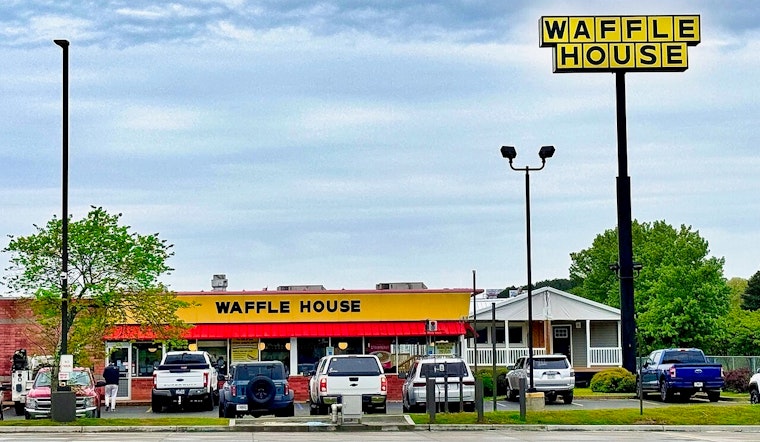
Breakfast enthusiasts may soon to find their morning rituals a bit more costly as Waffle House introduces a 50-cent surcharge on every egg in response to an ongoing bird flu crisis and the ensuing egg shortage. According to a memo shared with WGNTV, the decision took effect this Monday and comes amid a notable increase in egg prices driven by inflation and the avian influenza epidemic. "The continuing egg shortage caused by HPAI (Bird Flu) has caused a dramatic increase in egg prices," the memo detailed.
Known for their 24-hour breakfast service, Waffle House aims to link the surcharge directly with this specific, extraordinary price surge. They communicated that they hold hope these price fluctuations are temporary, but "we cannot predict how long this shortage will last," as stated in the memo. Egg prices have seen an astonishing near 40% rise since January 2024, with the U.S. Department of Labor providing data that forecasts a continuing upward trajectory of 20% this year.
While the exact details of how the surcharge will be relayed to customers in the Waffle House establishments remain undisclosed, images on social media reveal some operators have taken to affixing notices on windows or menus. As the popular chain, extending to approximately 2,100 locations in 25 states serves a staggering 272 million eggs each year, the surcharge stands to significantly impact its clientele.
This price hike is a direct result of the obstacles faced in the egg industry. Bird flu, which necessitates the culling of entire flocks anytime it is detected, has led to the slaughter of millions of egg-laying hens as of late—17 million in just November and December, according to CBS News. The average price of a dozen large, grade-A eggs rose to $4.15 in December, a marked increase from November's price of $3.65, as reported by the Bureau of Labor Statistics.
Patrick Penfield, a professor and supply chain expert at Syracuse University’s School of Management, told WGNTV, "Hopefully, hens will have start to develop some type of natural immunity to the bird flu, but we have not seen that yet and it will take many years for that to happen."