

























































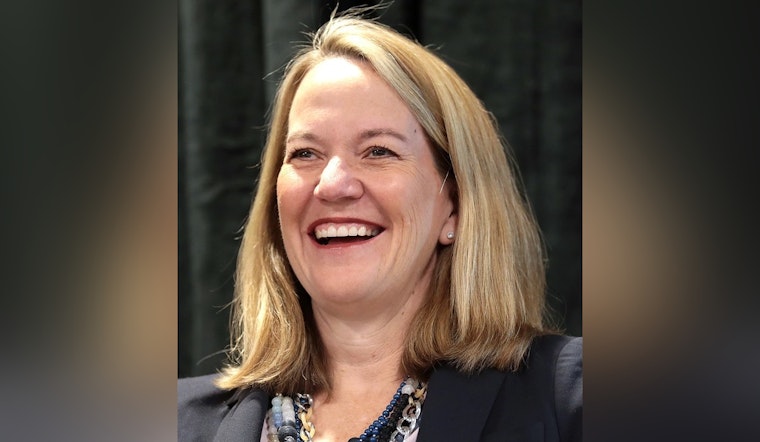
Arizona Attorney General Kris Mayes is standing strong with a multistate coalition backing a Federal Communications Commission (FCC) rule aimed to boldly protect consumers from the relentless tide of robocalls. In a move that demonstrates commitment to dial back these unwelcome intrusions, an amicus brief was filed by a group of 28 attorneys general, as reported by the Office of the Arizona Attorney General. Mayes, not shying away from voicing criticism, stated, "We're seeing more robocalls than ever, and, in addition to being extremely annoying for Arizona consumers, they're also a gateway for fraud and consumer scams to try to drain millions of dollars from Arizonans hard-earned savings accounts each year."
The FCC's One-to-One Consent Rule, which the coalition is fighting to uphold, was adopted in 2023 and requires telemarketers along with lead generators to first get explicit consent from consumers before contacting them or selling their details. The rule also stops lead generators from misleading consumers by obtaining blanket consent for multiple businesses. Despite the backing of the attorney general coalition, the Eleventh Circuit Court of Appeals recently overturned the rule, questioning the FCC's authority to enforce it.
Consumers reported losing in excess of $1.2 billion to scams facilitated by robocalls and text messages in 2023 alone, as per findings from the Federal Trade Commission (FTC). The coalition, in their brief, argues the essential nature of the One-to-One Consent Rule as a tool complementing state efforts to combat illegal robocalls. They stand firm in their belief that the FCC is well within its powers to enforce explicit consent under the Telephone Consumer Protection Act. A striking statistic reveals Arizona to be third in the nation for robocall complaints, with Phoenix and Tucson ranking high among the worst cities, and a 10% increase seen in such complaints across Arizona in the past year alone.
As a prominent member of the Anti-Robocall Litigation Task Force, Attorney General Mayes has proven to be hands-on in investigating and taking action against entities responsible for large volumes of illegal robocalls. Last year, the Attorney General and the Task Force took action against Avid Telecom for alleged illegal robocalls. Additionally, Mayes and a coalition of 26 attorneys general sent a letter to the FCC urging hard regulations on the use of artificial intelligence by telemarketers, given its potential for exploitation. Joining forces with Mayes in the amicus brief filing are the attorneys general from states including California, Illinois, and New York, showcasing a united front in the battle against robocallers.





_(cropped).jpg)