

























































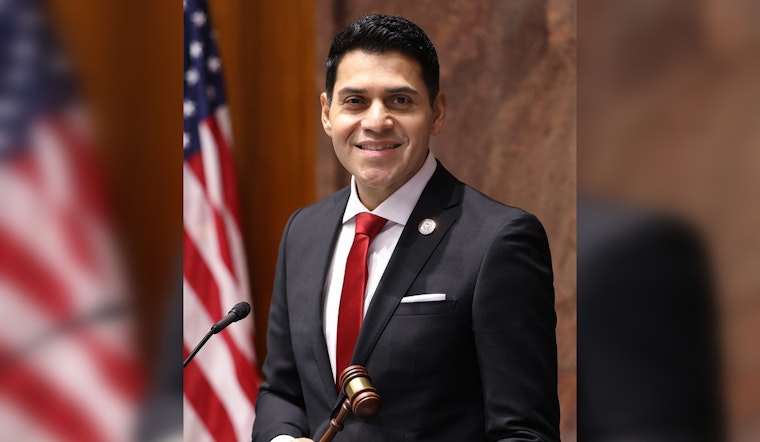
In a move aimed at tightening fiscal controls, Arizona House Speaker Steve Montenegro has unveiled the lineup for the newly established Ad Hoc Committee on Executive Budget Mismanagement. The committee formation, as per a press release from Montenegro's office, comes in response to a series of alleged financial fumbles under Governor Hobbs' tenure.
With Representative Matt Gress at the helm as Chair alongside Vice Chair Justin Olson, the committee is poised to dissect and address the current-year executive agency programs and the Governor's budget proposal. While the committee is blended with voices from both sides of the political aisle, including Democratic Representatives Nancy Gutierrez, Stephanie Stahl Hamilton, and Kevin Volk, the majority is formed by Republicans. Appointed to serve alongside Gress and Olson are Representatives Michael Way, Nick Kupper, Neal Carter, and Selina Bliss. Offering a critique, Speaker Montenegro accused the administration of being reactive rather than proactive in fiscal planning, as reported in the official press release.
Chairman Gress, as noted in the official announcement, pledged to prioritize factual and financial clarity, saying, "The Executive’s proper implementation and management of the state budget is of critical importance to ensure our investments truly benefit the people of Arizona. Our role is to focus on the facts and the figures, and to deliver transparency for taxpayers."
To meet these challenges, the committee is tasked with unraveling the issues leading to significant cost overruns and the risk of state service collapse. The Hobbs administration has seen its share of controversy, with departments like Child Safety and Developmental Disabilities experiencing dire fiscal shortfalls. In one such incident, before legislative Republicans directed them to reallocate existing funds to avoid bankruptcy, the Department of Child Safety's Congregate Care program teetered on financial ruin. Such disarray prompted Montenegro to form the committee, which aims to develop solutions to manage these overruns and ensure the continuity of essential state services.



