

























































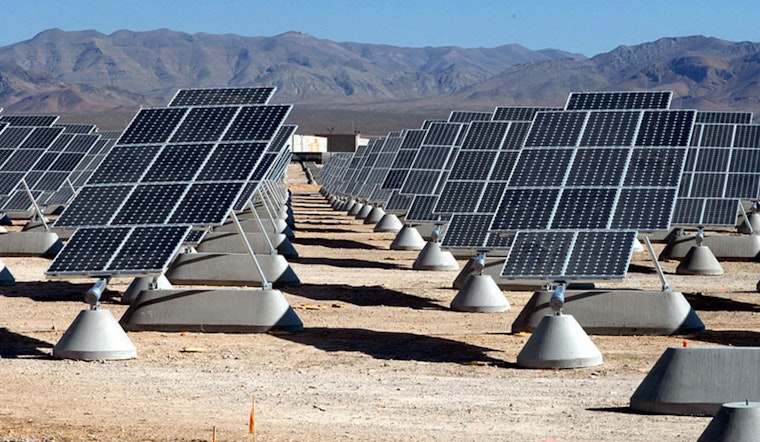
As the sun continues to rise on Arizona's renewable energy efforts, the state has set a new milestone, having installed a record-breaking 1,793 megawatts of solar capacity in 2024, according to ABC15. This impressive surge ranks Arizona at sixth place among states for new solar capacity and brings its total to an expansive 9.5 gigawatts - enough juice to power 1.3 million homes.
Arizona is blazing more than just trails in sustainable energy; over 300,000 homes in the state now benefit from solar installations, placing it the second-highest for residential solar installations in the nation, right after California, however, as the pendulum of federal energy policy swings, the industry's future casts a longer shadow. The collective impact of these installations is especially significant considering the SEIA and Wood Mackenzie report revealing that 84% of all new U.S. power added last year came from solar and energy storage, as per Reuters.
The large-scale adoption of solar in 2024 can be tied to the incentives from the 2022 Inflation Reduction Act, which bolstered the industry with substantial subsidies. However, the current administration has set its sights on revising federal funding plans with hints of eliminating tax credits, engendering concerns over a slowdown of solar deployment and lost investment potential that may reach up to nearly $250 billion, as "Last year’s record-level of installations was aided by several solar policies and credits within the Inflation Reduction Act that helped drive interest in the solar market," said Sylvia Levya Martinez, as stated by Reuters.
Despite these headwinds, it's projected that the total U.S. solar capacity could hit a staggering 739 gigawatts by 2035; still, the specter of policy volatility including potential changes to federal tax credits, supply chain issues, and permitting policy are factors that could draw significant clouds over this otherwise sunny forecast, as Levya Martinez from Wood Mackenzie stated "We still have many challenges ahead, including unprecedented load growth on the power grid. If many of these policies were eliminated or significantly altered, it would be very detrimental to the industry's continued growth," Reuters noted.




