

























































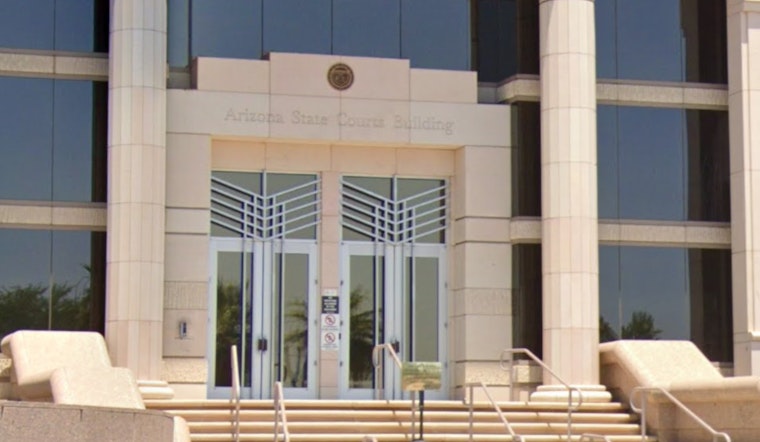
It was a ruling that succinctly delineated the boundaries of liability for Arizona constables. The Arizona Supreme Court decided that a constable is not liable for a death that happened while serving an eviction order. This ruling arrived out of the tragic case involving Constable Deborah Martinez-Garibay, who was killed alongside an apartment manager, Angela Fox, and an adjacent visitor, in a violent incident in Tucson. The details, as found in the court's summary, pinpoint the heart of the matter: Garibay was serving a writ of restitution—an eviction order—to a resident known for threatening behavior. Despite following protocol, when the resident did not respond, the situation escalated fatally.
The legal specifics were clear-cut, at least according to the Court's interpretation. Misconduct, which could trigger liability under A.R.S. § 11-449, was strictly defined in this context. The Court maintained that a constable would only be liable should they fail to properly to execute a court directive, not simply for the manner in which they perform their duties. The suit filed by Fox’s surviving spouse was dismissed, lacking grounds for relief; the allegations pointed only to negligence, not misconduct. As Vice Chief Justice John R. Lopez IV wrote, "there is no allegation that Garibay failed, intentionally or otherwise, to comply with the court’s command to execute the writ," according to the Arizona Supreme Court.
This legal differentiation has shed light on the precise scope of constables' judicial immunity under Arizona common law and the state statute. The implications stretch beyond this individual case, setting a precedent for any future events where the execution of legal duties might intersect with unpredictable and dangerous outcomes. Constables now have a clearer understanding of their responsibilities and the limits of their liability. Yet, the ruling doesn't negate the reality of the risks these officers face, nor the possibility of legal fallout when situations turn deadly.
The full details of the Court's reasoning are publicly available, as is a video explanation of the ruling. Interested parties can access the opinion through the Arizona Judicial Branch's website, providing a deeper look into the foundations of this landmark decision. With clarity now brought to the statute's language, the role of constables in serving eviction notices may continue to be performed with an awareness of the boundaries established by the highest court in Arizona. As the court documents state, this interpretation stands to guide law enforcement officers and inform all citizens of Arizona.
For those seeking the full legal context of the Supreme Court's decision, the opinion can be accessed at Arizona Supreme Court, as established by the Arizona Judicial Branch. The decision will undoubtedly influence future cases of a similar nature, grounding the duties and legal boundaries of constables within Arizona's justice system.



