

























































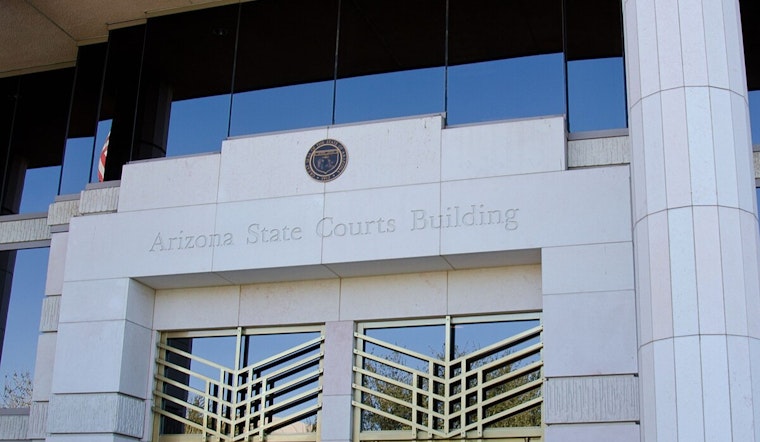
The state's Supreme Court has green-lighted the expansion of Community-Based Justice Worker Service Delivery Models. This program aims to train community members to provide legal assistance within their neighborhoods. The newly approved rule not only underpins Arizona's commitment to legal service innovation but also provides a solid framework for similar future endeavors.
Community-based justice workers will now be able to offer free, limited-scope legal help in six areas of law. They're either connected to a Legal Services Organization (LSO) under the wing of attorney supervision or tied to a Community-Based Organization (CBO) with attorney mentorship. As part of this rule, advocates are expected to quickly learn the ropes and become authorized to assist persons in civil legal matters within their communities. According to the Arizona Supreme Court's release, the approval paves the way for not just solidifying the existing 26 organizations and 21 justice workers, but also for the growth of such programs.
With a history of being ahead in community-based justice initiatives, Arizona first revised its legal practice rules in 2020 to allow the pilot program’s creation. The success of these early efforts, such as aiding domestic violence survivors through Licensed Legal Advocates, was a driving force behind the statewide expansion and today's new rule. "We are thrilled about this next step in our longstanding partnership with the Arizona Supreme Court to advance access to justice through community-based justice work," Stacy Jane, Director of Innovation for Justice, told the Arizona Supreme Court. She highlighted the various financial impacts community-based justice workers have had, from free civil legal services to reduced healthcare expenses and heightened tax revenues.
Support echoes across the three Legal Services Organizations with decades of history in supporting Arizona's vulnerable populations. "The community justice workers will be supervised by our attorneys who specialize in assisting low-income Arizonans," Sharon Sergent, Executive Director of Community Legal Services, mentioned in the release, while Anthony Young, Executive Director of Southern Arizona Legal Aid, expressed his pleasure in boosting collaborations. Rodolfo Sanchez, DNA- People’s Legal Services’ Executive Director, also shared his excitement, stating, "We are excited to welcome Community Justice Workers to our team, expanding our ability to provide legal services to those who would otherwise go without assistance." This development holds great promise for Arizona's rural and underserved communities, potentially transforming Arizona's legal landscape.



