

























































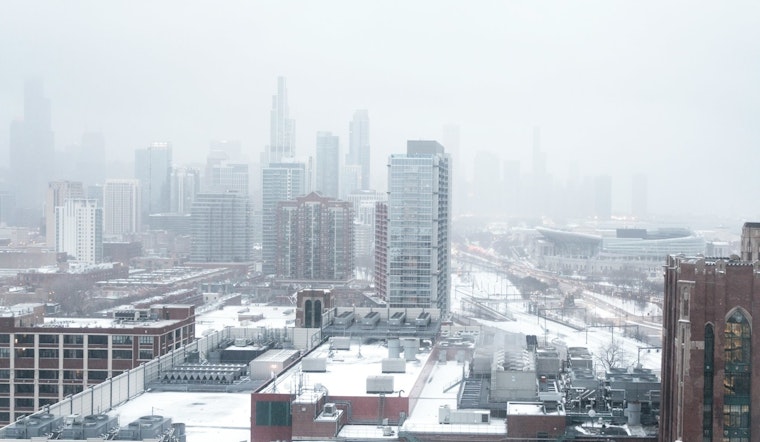
As Chicago transitions into meteorological spring, the city reflects on a winter notably scarce in snowfall. With meteorological winter encompassing December through February, this past season has been the least snowy in 88 years, with only 11.9 inches of snow recorded at O'Hare, according to reports from NBC Chicago. This figure represents a significant deviation from the average, placing it as the 10th lowest in 142 years of recorded history.
The lack of snowfall contrasts with historic averages, with December, January, and February all reporting lower-than-usual levels. "The winter snow total, measured from the beginning of December to the end of February, was 11.9 inches, the lowest since the winter of 1936-37," reported the Chicago Sun-Times. Despite this, temperatures were fairly standard, with an overall average of 27.3 degrees, which is nearly a degree lower than the city’s overall winter average.
Consistently cold temperatures coupled with sparse snowfall suggest a peculiar climatic pattern over the past months. Southern Illinois experienced a more typical winter with above-average snowfalls, a fact highlighted by National Weather Service meteorologist Kevin Birke, who noted, "Most of the very active winter storms this season actually tracked south of us," in a statement obtained by the Sun-Times.
As Chicagoans look ahead, the National Weather Service cautions that the onset of spring could herald severe weather. The average high for the winter was 34.1 degrees, a little below average, and the average low was also below normal at 20.5 degrees. Birke advised that although nothing in the forecast spelled imminent danger, the city should brace for potential showers and thunderstorms with a system expected to move in on Tuesday night, signaling a shift in the seasonal tides.





