

























































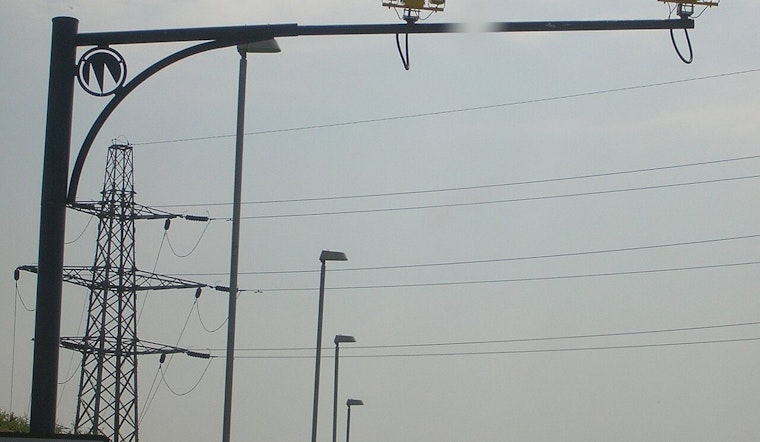
Chicago's streets are set to see an uptick in oversight, as the Chicago Department of Transportation (CDOT) plans to install 50 new speed cameras throughout the city this year, according to ABC7 Chicago. These cameras, chosen based on crash data and public feedback, are expected to be activated periodically, with specific locations announced just before they become operational. Once in place, offenders caught during the initial 30-day warning phase will receive just that—a warning—before fines kick in, starting at $35 for exceeding the speed limit by 6-10 mph and soaring to $100 for 11 mph or more.
While some Chicago residents are in favor of the new additions, seeing the cameras as a means to enhance safety on the roads, others voice concerns regarding their potential impact. Ald. David Moore, of the 17th ward, acknowledges the need for safety but opposes adding more cameras, "You've got to listen to the voices of your constituents. If they feel like it's a need, then you give them that need," Moore told CBS News Chicago. He also emphasizes the financial strain these cameras can impose, describing them as a "regressive tax" that hits harder in low-income communities.
Ald. Moore is not alone in his critiques. Joseph Eric Griffin, a resident facing a $2,000 backlog in tickets, shares a similar sentiment regarding the financial burden placed on those who may already struggle with transportation costs. "We're barely transporting ourselves. We're getting on the trains and the buses," he told CBS News Chicago, "but then you come over here with people that barely got anything, and you want to hit them with speeding tickets. Come on man. That ain't right!"
In response to the backlash, the Office of Mayor Brandon Johnson has defended the initiative, asserting that the objective is safety, not revenue generation. "The City of Chicago does not rely on speed cameras to balance its budget," the mayor's office stated. "Mayor Johnson believes that speed cameras should be utilized to promote traffic safety in an equitable way, not as a revenue source for the city." Despite this stance, these devices are expected to contribute approximately $11 million to a 2025 budget that exceeds $17 billion,
With 68% of last year's 136 traffic-related fatalities in Chicago attributed to speeding, the debate over the effectiveness and fairness of speed cameras continues. As the CDOT moves forward with installations, the selected areas, influenced by concerns of traffic safety, will be made public once final decisions are made.





