

























































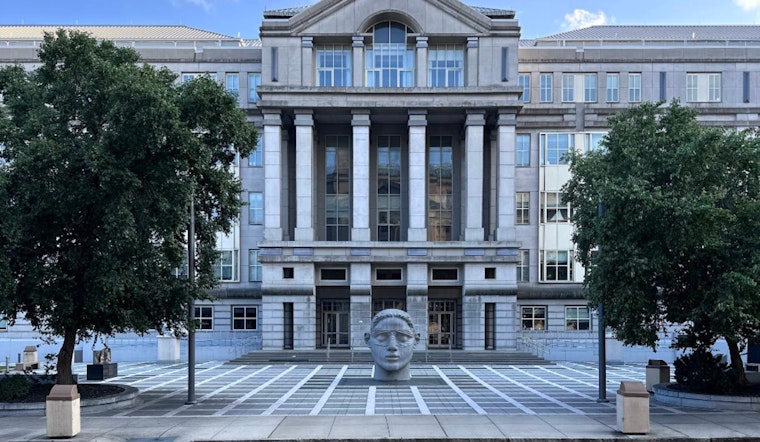
The legal battle over the probable deportation of Columbia University graduate student Mahmoud Khalil edged forward in a New Jersey federal court last Friday as both sides debated the jurisdiction of his case. Khalil, a green card holder and vocal participant in campus protests, was detained on March 8 under the Trump administration's policy targeting individuals they claim undermine American foreign policy. As reported by ABC7NY, Khalil's lawyers want the case to stay in New Jersey, arguing that Louisiana, where the government is pushing to move proceedings, would strain resources and separate Khalil from his pregnant wife.
Despite being a legal U.S. resident married to an American, Khalil has become enmeshed in the administration's crackdown on what it has labeled as antisemitic activities due to his support for Palestinian protests. This stance, his lawyers argue, is merely a smokescreen to punish Khalil for lawful expression. No decision was made during the Friday hearing, but Khalil's counsel, Ramzi Kassem, emphasized the significance of public support. "No matter what happens in court, what’s most important is for all of us to keep up the pressure. To let this government know that it cannot suppress speech," Kassem told NBC New York after the hearing.
The Trump administration is utilizing a rarely invoked statute that allows the secretary of state to deport noncitizens who pose a threat to U.S. foreign policy interests. Khalil has argued that his detention is a manifestation of "anti-Palestinian racism" within the U.S. His situation is not an isolated incident, as reports have surfaced about other international students and faculty members across the country facing similar forms of retribution for aligning with Palestinian causes.
Resonating beyond Khalil's case, these detentions point to a broader pattern of targeting individuals for their political expressions and affiliations. According to the ABC7NY report, this string of detentions has recently implicated an array of international students across the U.S., all of whom have engaged in lawful activities regarding Palestinian rights. Khalil's upcoming immigration court date is set for April 8, which may determine the future of his residency in the U.S. and potentially influence the broader discourse on free speech and activism among international students.





