

























































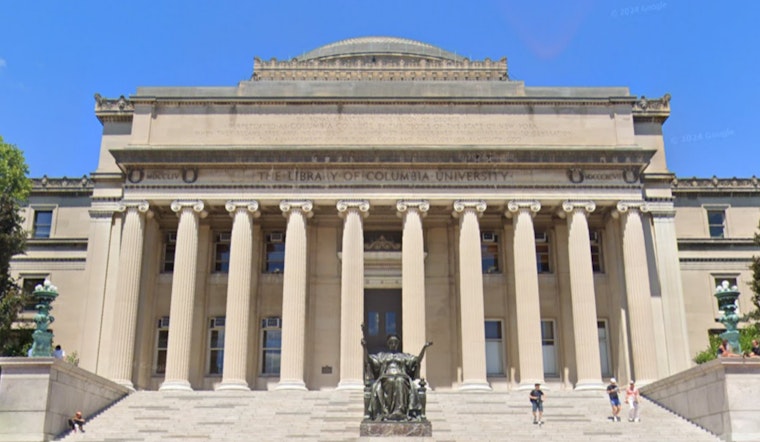
Columbia University is on the verge of ceding to demands from the Trump administration to restore federal funding, including a mask ban and crackdown on anti-Israel protests. Reports suggest that the school may be on the verge of securing a deal to recover the $400 million in lost funding, but concerns remain over the potential impact on its academic independence. This comes amid ongoing tensions related to protests over the Gaza conflict last year.
In an ongoing tussle between academic freedom and political power, universities across the nation are having to seriously consider whether to stand their ground or bend to ensure financial stability. Amidst this climate, Columbia University is the administration's first high-profile target, drawing attention and concern from observers and academics alike. According to ABC7NY, Katrina Armstrong, Columbia's interim president, has stated that while every appropriate action is being considered, the university's values of pedagogical independence and academic freedom will not be compromised. However, whether this stance will hold up against the deadline extension to tomorrow remains to be seen.
Lee Bollinger, former president of Columbia, described the situation as "an authoritarian takeover" in an interview with the Chronicle of Higher Education. This sentiment was echoed in a Guardian interview with Jameel Jaffer, executive director of the Knight First Amendment Institute at Columbia, who highlighted the legal infeasibility of the Trump administration's demands which, if acceded to, would demolish the university's credibility as an independent educational institution.
The broader academic community is also feeling the squeeze. The Trump administration has made it clear that non-compliance could lead to similar confrontations, with multiple universities being put on notice. A task force on alleged antisemitism, investigations into discrimination against Jewish students, and arrest of a former Columbia student under a rarely used legislative provision demonstrate the administration's resolve. Moreover, the University of Pennsylvania finds itself in a parallel predicament, with $175 million in funding being frozen over transgender women's participation in women's sports, according to ABC7NY.
The response from universities is still largely subdued, as lawsuit threats have yet to materialize into concrete action. Columbia's Armstrong calls this a "critical moment for higher education," yet the path forward remains uncertain, drawing criticism and concern from various legal experts and university professors. Veena Dubal, general counsel of the American Association of University Professors (AAUP), told the Guardian about rampant fear and self-censorship plaguing campuses as administrators grapple with the possibility of losing funding.





