

























































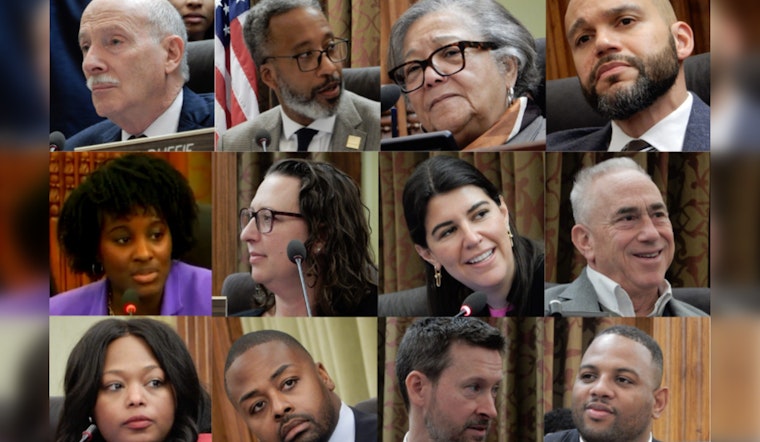
It's budget season for the D.C. Council, meaning they focus on budget hearings and performance reviews, which usually reduces the number of Legislative Meetings. While the Council’s main focus shifts to fiscal matters, some targeted actions will still take place. March and April's sessions may have lighter agendas due to the focus on the budget. This time of year allows for important budget-related discussions while delaying other legislative work, according to the Council of the District of Columbia.
Recently, as reported by the Council of the District of Columbia, an emergency measure arose from a Council hearing on February 11, targeting the illegal cannabis 'gifting' shops. The bill, passed urgently, enables swift closure post-April 1 for any cannabis business holding out on licensure, as well as those dabbling in other Schedule 1 substances. The move also allows for immediate shutdowns of even licensed establishments if they are deemed imminent public health or safety risks.
Besides, an efficiency-driven measure was also advanced to let the Alcoholic Beverage and Cannabis Administration (ABCA) authorize event-based extended hours for liquor-licensed establishments without needing individual Council green lights each time. This legislation looks to finely balance flexibility for ABCA with the aim to prevent potential overuse, before the Council casts its decisive second vote, as stated by the Council of the District of Columbia.
Other pressing matters involved a technical correction concerning the implementation date of a 2023 criminal record sealing bill. A clerical mishap suggesting a March 1, commencement was nixed via emergency legislation, restoring the original October 1, 2027, target—this correction ensures the necessary groundwork has ample time for development, as per the Council of the District of Columbia.
To encourage downtown revitalization through commercial-to-residential building conversions, the Council changed the tax classification timing, shifting from completion to the start of construction. This change recognizes the difference between commercial and residential tax rates. The next Legislative Meeting is set for April 1, and the Council plans to hold just one meeting each for the Legislative and Committee of the Whole per month. Any changes to this schedule will be announced later, as the focus shifts to economic issues.




