

























































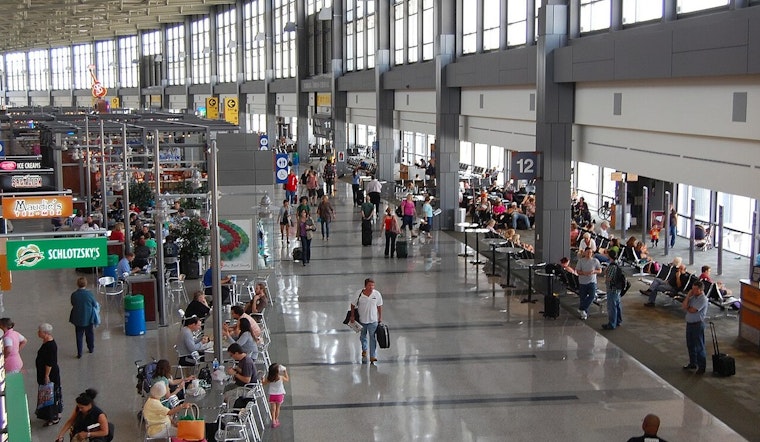
Flights heading to Austin from Houston and Dallas were temporarily halted on Friday morning due to staffing issues, but by noon, the Federal Aviation Administration (FAA) had lifted its ground stop. The restriction was reportedly put in place earlier that day, impacting several area airports, including George Bush Intercontinental Airport, William P. Hobby Airport, Dallas Love Field, and DFW International Airport. Departures from Austin, however, were not affected by the order.
This most recent ground stop at Austin-Bergstrom International Airport (ABIA), while short-lived, highlights ongoing staffing challenges. Although the FAA order has been lifted, officials stated, "We expect it to take a couple of hours or so for flight schedules into AUS from airports in the affected air space to get back on schedule," according to a statement obtained by CBS Austin. Austin's airport has grappled with these issues for some time now, with 2023 witnessing multiple near-miss incidents that brought staffing shortages into the spotlight.
The repeated calls for increased staffing levels at ABIA have been met with frustration from local officials. In an interview, Austin City Council Member Vanessa Fuentes, whose district includes ABIA, referred to the situation as a "crisis." "They know we have a national shortage on staffing, and they can do something about it, and they have not prioritized it," Fuentes said. "They are certainly not acting with the urgency that we need," she told KUT.
Both local and national leaders have been quick to address the importance of resolving these staffing woes. U.S. Rep. Lloyd Doggett expressed his concerns over the situation, stating, "Central Texans continue to be "unnecessarily inconvenienced because of the FAA’s failure to do its job." He pointed out that the current number of air traffic controllers is less than half of what it should be and criticized the previous administration's actions, which included the termination of a key safety equipment maintenance worker. Doggett highlighted the critical nature of ensuring safety and took a cautionary tone, citing the importance of proactive measures rather than reactive ones in the face of potential tragedies.
Meanwhile, travelers affected by the temporary disruption were advised to keep in touch with their airlines for updated flight information. This latest incident underscores a need to address a lingering issue that has the potential to significantly disrupt air travel, particularly in fast-growing regions like Austin. As flights resume their regular schedules, attention remains firmly on the need for a long-term solution to staffing shortages at air traffic control facilities.





