

























































Health officials have confirmed a case of measles on Long Island, marking New York's first reported instance of the disease outside New York City for 2025; the patient is a child under five years residing in Suffolk County. Suffolk County's young patient did not attend school or day care during the infectious period, and according to the local Department of Health, the child had not been vaccinated against measles, as reported by CBS News New York.
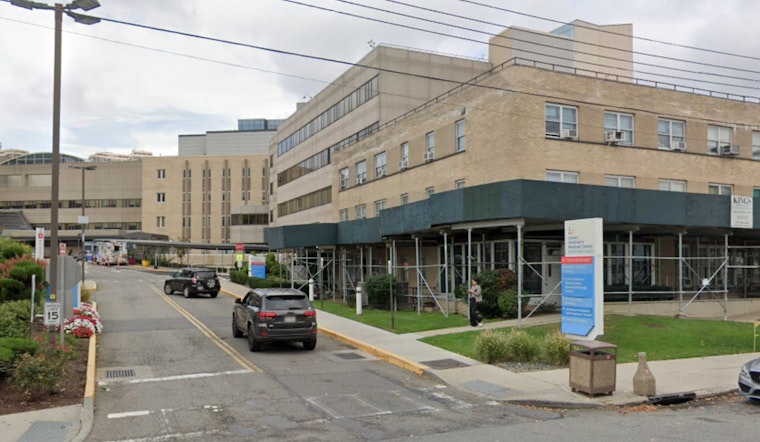
Concerns of potential exposure are centered around Cohen Children's Medical Center where the risk periods are identified as March 3-4 for the pediatric emergency department and March 3-6 for inpatient children in the Medicine 3 unit, which was reported by CBS News New York, the hospital has initiated outreach to potentially affected patients. Dr. Gregson Pigott of Suffolk County Health Services emphasized the importance of the community staying on schedule with vaccinations for protection, "As we follow this case and closely monitor potential exposures, we strongly encourage all residents to protect their health and the health of our youngest and most vulnerable residents by ensuring they are on time and up to date [with] their measles vaccines and all recommended and lifesaving immunizations," Dr. Pigott said according to CBS News New York.
A spike in measles cases has been seen across various states, and New York City reported two earlier cases this month; the current Long Island case, however, is unrelated to the ongoing outbreaks in Texas and New Mexico, per statements from health officials cited by NBC New York. The virus, known for being highly contagious, spreads through the air or by touching contaminated surfaces followed by contact with eyes, nose, or mouth, and unvaccinated individuals who get exposed are advised to quarantine for 21 days.
With measles first infecting the respiratory tract before spreading and presenting with symptoms such as fever, cough, and a characteristic rash, the condition has no specific treatment, meaning doctors focus on symptom management to prevent complications, "when the rash appears, the fever may spike over 104 degrees Fahrenheit," health experts note that high community vaccination rates are crucial for preventing spread, however, national rates have declined, contributing to a rise in cases according to the CDC as reported by NBC New York.




