

























































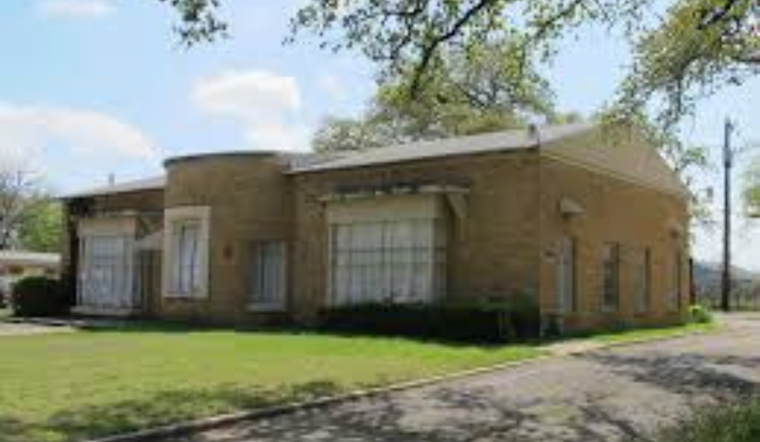
In a move that anchors the legacy of Black women's historical contributions to our city's fabric, the City Council has conferred upon the Grand High Court of the Heroines of Jericho building the status of a historical and cultural landmark. The structure, located at 3016 E. Fourth St., not only stands as a testament to Mid-Century Modern aesthetics, having been fashioned in 1952, but also to the resilience and organizational prowess of one of the oldest Black women’s fraternal organizations in the nation. According to an announcement by the City of Fort Worth, the building's significance has been underscored by its presence on Historic Fort Worth’s Most Endangered Places List both in 2017 and again in 2024.
Simultaneously, the City Council nodded to the historical richness of Fort Worth’s commercial evolution by designating the Mulholland Building as a historic and cultural landmark. Nestled in the 1300 block of North Main Street, this building that was born as the Rosen Inn in 1903 and later morphed through incarnations as the Greines Furniture Co. and the Mulholland Co., evidences the social and commercial narrative that unfolded on Fort Worth’s near north side across the early to mid-20th century. Having undergone alterations in 1935, the structure previously received recognition through its inclusion in the National Register of Historic Places back in 2001, as a part of the Marine Commercial Historic District. City reports highlight its association with the area's social and economic past.
The embrace of these edifices by the City Council did not emerge from a vacuum but was the culmination of concerted efforts and recommendations by the Historic and Cultural Landmark Commission. Now that both designations have been officially approved, any subsequent modifications to these properties will need to adhere to the Secretary of the Interior’s Standards for the Treatment of Historic Properties. These standards are put in place to ensure that the essence and integrity of historic landmarks are preserved even as they adapt to ongoing urban development and changing community needs.





