

























































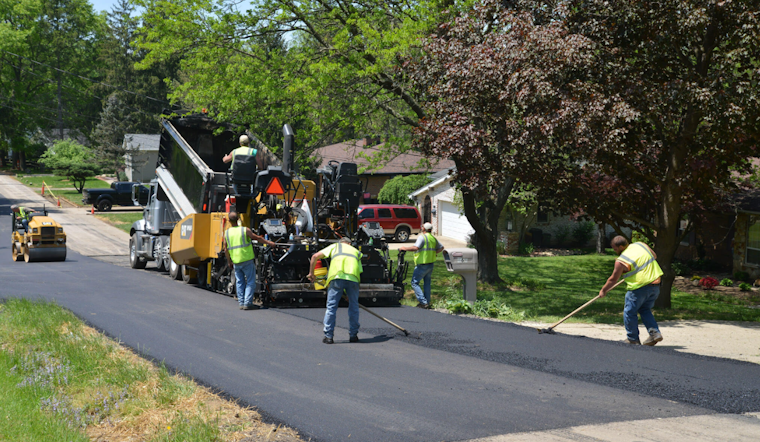
Hamilton residents have been clear about what they want—and the city council has listened. A significant portion of the $31 million Hamilton Streets Levy, passed back in 2020, is being steered by the voices of the people, neighborhood by neighborhood. The latest 2025 Street Paving Annual Report sheds light on how these funds are being allocated across the city's 17 districts, with each slice of the budget pie corresponding to the percentage of streets that run through them.
Public engagement drives the decision-making process, ensuring that specific street paving projects align with residents’ concerns. As the city approaches the halfway mark of the 10-year initiative, other factors such as "overall condition, underground utilities, proximity, planned projects, traffic volume, and external funding," according to the City of Hamilton, are also being tossed into the mix when determining priorities. Ultimately, the streets selected to be paved are where investments land.
Interested residents who want a deeper dive into the specifics of their neighborhood upgrades—or are maybe just curious about the whys and hows of the selection process—can take the updated annual report for a spin. It gives a comprehensive look at the progress made since the levy's inception and the paving projects marked on the calendar for this year.
This isn't just about laying asphalt. It's a commitment to equitable urban transformation. Each neighborhood, with its unique needs and voices, receives a share of the budget that reflects its stake in the city's street network. Highlighted, the Annual Report details, is a transparent process with the potential to iron out the discrepancies that can emerge when decisions are left solely to bureaucrats. It stands as a testament to a city striving to pave the way for smoother rides and a smoother process in community-led development.




