

























































The Healey-Driscoll Administration in Massachusetts is launching a concerted effort to tackle the state's energy costs with its newly minted Energy Affordability Agenda. Announced to start in April, this agenda is set to deliver an immediate relief of $220 million to energy consumers, aiming to further save $5.8 billion over the next five years. According to details from a Mass.gov news release, Massachusetts residents served by utility companies such as Eversource, National Grid, and Unitil will be granted a $50 credit on their electricity bills starting from the coming month.
Looking to get ahead, the Department of Public Utilities (DPU) has been tasked with creating a first-in-the-nation moderate-income discount rate. Also on their docket is the expansion of tiered-income discount rates for those with lower incomes. The initiative is highlighted by the Healey-Driscoll Administration convening utilities and other stakeholders to boost customer engagement with energy affordability strategies, as reported by a Mass.gov announcement. A dedicated website, mass.gov/energysavings, offers insights for residents on eligibility for these programs.
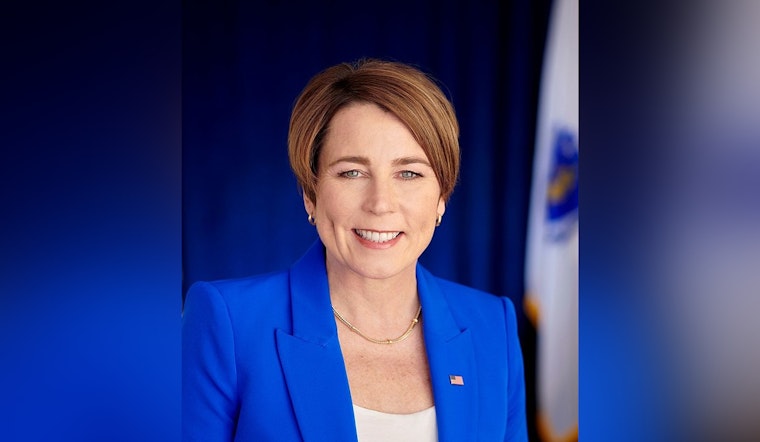
“We need urgent action to bring down costs – and a plan to make sure price spikes don’t keep happening to our residents,” Governor Maura Healey stated, as described in a Mass.gov news release. Healey affirms that the administration will be using "every tool we have" to ensure affordability for families and businesses regarding their essential energy needs. The governor also mentioned plans to file an energy affordability and independence bill in the coming weeks to further this cause.
Concurrently, efforts are being made to scrutinize the competitive energy supplier sector, which has reportedly overcharged residents and violated consumer protection laws, adding to the affordability crisis faced by low-income families, veterans, and seniors. The DPU has initiated an examination of potential regulations to protect consumers from these predatory practices. Governor Healey will continue to advocate for a solution to the issues in this industry, which could result in potential savings of $335 million over five years for Massachusetts, as explained in the Mass.gov news release.
Beyond immediate relief, the agenda also accounts for the reduction of various charges on customers' bills, including the end of unnecessary programs and the exploration of innovative rate designs to reduce volatility. The administration also aspires to mitigate future price fluctuation by pursuing fixed price contracts for clean energy, similar to the NECEC transmission line initiative. For more details on the agenda and potential savings for residents, visit the Mass.gov page.





