

























































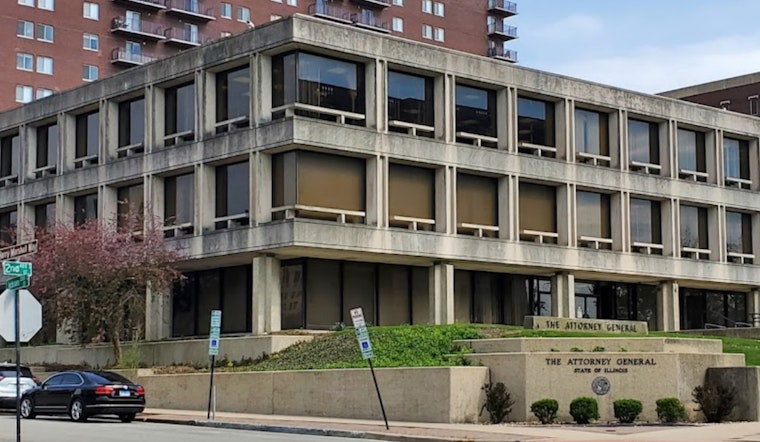
Attorney General Kwame Raoul is spearheading a coalition of 22 attorneys general in a legal fight against the Trump administration's hold on federal emergency funds. In the grips of political wrangling, hundreds of millions of dollars in grants from the Federal Emergency Management Agency (FEMA) have been frozen, jeopardizing programs crucial to preparedness and recovery in the face of disasters and security threats. According to an announcement by Illinois Attorney General's office, these funds are instrumental not just in natural disaster aid but also in safeguarding public spaces from threats ranging from cyber attacks to mass shootings.
"Funding through FEMA is critical in Illinois and states around the country because it supports state efforts to help communities recover following natural disasters, but states rely on FEMA funds for so much more," Raoul highlighted. "States also count on FEMA grants to protect public spaces, such as houses of worship, hospitals and other nonprofits from cybersecurity threats, mass shootings and acts of terrorism," he added in a statement obtained by Illinois Attorney General's Office. This legal action follows after a series of court orders, one as recent as March 6, which enjoined the administration against withholding these federal resources, yet the administration has not adhered to these directives.
The controversy traces back to a January 27 memorandum from the Office of Management and Budget (OMB), which initiated the illegal halting of funds that affected a wide array of state benefits and programs. This included temporarily denying states access to crucial Medicaid dollars. The current standstill over FEMA funds has raised alarms over public safety, with disaster response capabilities hanging in the balance. On this, the attorneys general have filed a motion to enforce the March 6 preliminary injunction, calling for the administration to lift the freeze posthaste.
The court's involvement has seen multiple escalations, with the attorneys general initially securing a temporary restraining order on January 31 to halt the freeze, followed by subsequent motions for enforcement. Despite the court granting the injunction and mandating updates on FEMA's compliance by March 14, the funds remain inaccessible. These frozen funds have immediate consequences, like stalling support for the more than 4,000 survivors of the 2023 Maui wildfires mentioned by the Illinois Attorney General's Office.
Supporting Raoul's motion are attorneys general from a diverse array of states, including Arizona, California, and New York, reflecting widespread concern across political and geographic lines. This collective action underscores the urgency and gravity of the situation as states seek to reclaim control of funds instrumental to their safety and the well-being of their citizens.


