

























































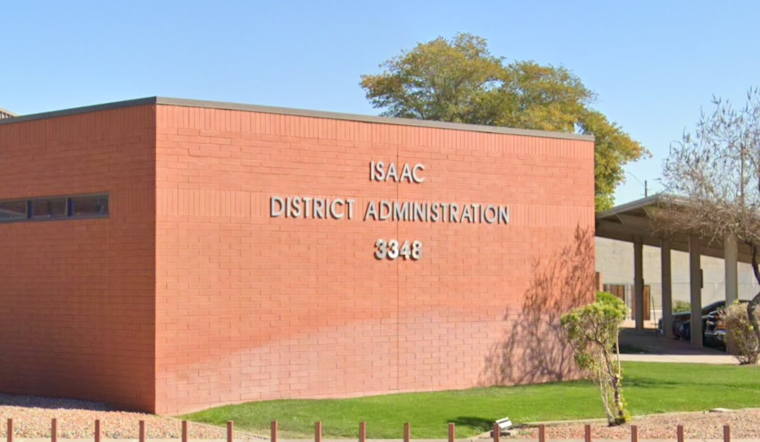
Deep financial woes at Isaac Elementary School District in West Phoenix have come to a head, thrusting the community into a state of distress; with the district now $28 million in the hole and state receivership, fallout continues to unravel. As ABC15 reported, the crisis didn't materialize overnight—warning signals had been flashing for years, from overly optimistic budget forecasts to missed financial reporting deadlines and shortcomings in adherence to state accounting rules.
The situation deteriorated to the point where, this past January, both the Chief Financial Officer, Lynn Lang, and the Superintendent, Mario Venture, tendered their resignations. Lang, speaking out in an exclusive with 12News, defended the spending decisions of the district, citing systemic issues such as the freezing of property tax rates by the state creating an imbalance between budget limits and available cash. "Everything was spent exactly the way it was supposed to be spent," Lang said, "What really it comes down to is, you know, the cash wasn't there to back it up."
Despite the controversy, the former CFO denies any criminal activity, contending that the fault lies in financial misjudgments, particularly a $9 million error in paperwork that led to the loss of federal COVID reimbursement funds. "They're lying to us," Maricopa County Treasurer John Allen expressed during a January meeting, highlighting the magnitude of the district's misgivings, with the treasurer's office calculating a much higher deficit than previously anticipated. Yet, amid the turmoil, Isaac School District voters face the prospect of control being wrested from their hands as a piece of legislation potentially removes the current board members after a House passage and further Senate committee approval.
Stepping into this breach, a state-appointed receiver has uncovered means to tighten the fiscal belt, salvaging approximately $2 million for the current school year through measures including downsizing staff and cutting programs though teachers' jobs have, for now, been spared. The audience for these difficult decisions expands beyond the school board; it reverberates among families, staff, and students who are watching their educational landscape reshaped under the pressures of financial exigency. The received is slated to reveal his findings and corrective economic stratagems in a report due by mid-May, as the Isaac district navigates not only monetary deficits but also a growing deficit of communal trust and security.





