

























































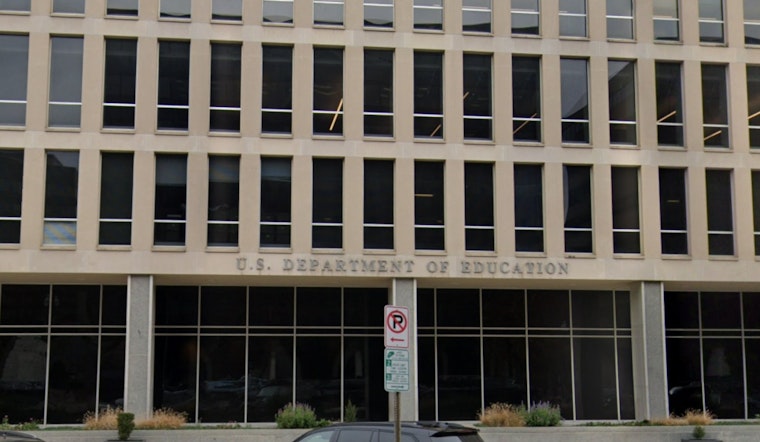
In what has become a contentious exchange of views on the future of American education, Linda McMahon's confirmation as U.S. Secretary of Education and her speech outlining the "Department's Final Mission" have sparked a backlash from the Healey-Driscoll Administration in Massachusetts. Governor Maura Healey took a clear stance on the issue, stating on the Commonwealth of Massachusetts official website, "What Donald Trump, Elon Musk and Linda McMahon are doing is bad for children, bad for schools, and bad for our communities." In her criticism, she highlighted the potential loss of federal funding to the tune of $2 billion, which she said would lead to bigger class sizes and reduced support for students with Individualized Education Programs (IEPs), among other setbacks.
Massachusetts Secretary of Education Dr. Patrick Tutwiler echoed these concerns, describing the plan to dismantle the U.S. Department of Education as "dangerous" and "devastating." In a statement obtained by the Commonwealth of Massachusetts, Tutwiler stressed, "Without it, our most vulnerable students will suffer the most, gutting civil rights protections, especially for students with disabilities." His warning underscored the Department's role in ensuring equal access through accountability and transparency.
Addressing higher education, Commissioner Noe Ortega emphasized the transformative power colleges and universities hold for individuals and society. Ortega committed the Massachusetts Department of Higher Education to continuing support for accessible higher education, stating, "Massachusetts’ far-reaching financial aid programs are proof of this administration’s belief that the doors of opportunity should be open for all."
When it comes to primary education, Acting Commissioner Russell D. Johnston pointed out on the Commonwealth of Massachusetts website that "Massachusetts has the strongest public school system in the nation," a success attributed to bipartisan investment in public education. Federal funding, according to Johnston, plays a crucial role in supporting low-income students, students with disabilities, and improving the quality of education for all. The proposed removal of these funds, however, could harm students and set the nation's progress in education back.
Early Education and Care Commissioner Amy Kershaw brought attention to the indispensable connections between early education providers, K-12 schools, and higher education institutions. Kershaw warned of the destabilizing and devastating effects that the dismantling of support structures would cause for families and communities at large. The commission remains dedicated to fostering high-quality learning environments, particularly for children with special needs.





