

























































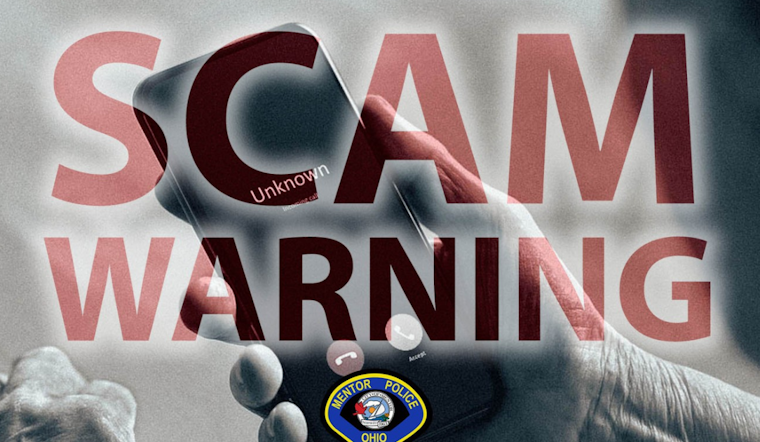
Scams aimed at the elderly are escalating, as evidenced by reports from Mentor police detectives who field two to three complaints weekly. Yet, these incidents might barely scratch the surface. The Federal Trade Commission revealed that older Americans disclosed financial losses over $1.9 billion due to fraud in 2023, but the actual loss could tower as high as $61.5 billion, given that the majority of frauds go unreported.
In an increasingly daring landscape of deception, scammers avoid masquerading as government officials, bank employees, or even cops. Their tactics are starkly calculating. They are not merely shysters but architects of trust, slowly drawing their victims into a snare of urgency and fear. According to a statement obtained by the City of Mentor, "They start small, then quickly escalate demands, using coercion to pressure victims, knowing time is critical with each target." That critical element of time is their weapon – a tool to compel swift and often thoughtless action.
The antidote to such conniving plots might be as simple as a decisive phone click. Disconnecting is a form of empowerment – a refusal to be played by the siren calls of con artists. The City of Mentor website offers an unmistakable benchmark for skeptical ears: "If something doesn’t sound right, it isn’t. If it sounds too good to be true, it is." They pinpoint the scammer's telltale sign, the pressured pitch that you must act "RIGHT NOW" or disaster will follow.
For those entangled by a scammer's web, or those seeking to fortify themselves against such threats, the guidance is pragmatic – just hang up. Those unsure about the legitimacy of a startling request should seek the insight of a trusted acquaintance or directly contact the Mentor Police Department at 440-255-1234 for clarity and, perhaps, peace of mind. Thus, forearmed with skepticism and support, our seniors can safeguard their interests against the shadowy onslaught of financial charlatans.





