

























































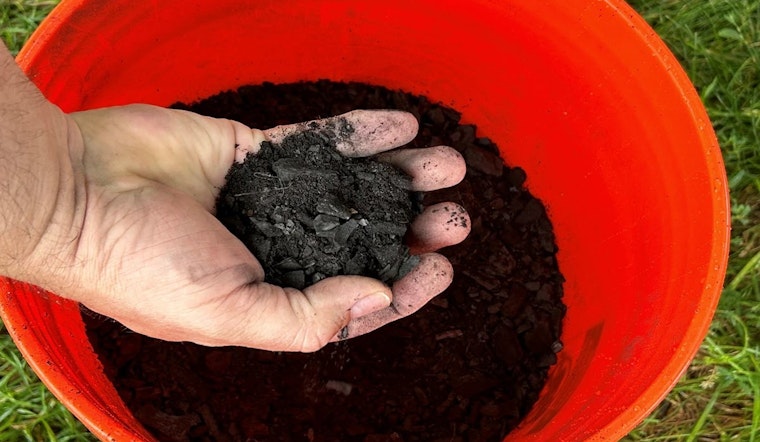
Minneapolis is stepping into the environmental spotlight as the first North American city to both own and operate a facility dedicated to the production of biochar, a type of high-carbon, fine-grained charcoal that is known for its ability to improve soil conditions and capture carbon emissions. The facility, which will be situated at 670 25th Ave. SE is set to start construction this spring and anticipates kicking off biochar production by the end of summer or early fall, according to official reports.
The urban biochar project not only sets a precedent in green infrastructure initiatives but also addresses a critical environmental issue by processing more than 3,000 tons of wood waste annually which is pivotal for transforming waste that would have otherwise contributed to pollution into over 500 tons of beneficial biochar, all while eliminating nearly 3,700 tons of carbon dioxide which is the equivalent of removing upwards of 789 cars from the roads. Jim Doten, the city's Carbon Sequestration Program Manager, highlighted the significance of the project in a recent statement, "Seeing this project come to life has been many years in the making and is currently the City’s only existing carbon-negative project," Doten stated, emphasizing the biochar's beneficial role in boosting soil quality for urban greening efforts.
In an impressive collaboration to fuel the city's innovative endeavor, Minneapolis has agreed with Xcel Energy, which has agreed to supply the wood waste needed for the production. Xcel Energy plans on using tree trimmings and other vegetation from routine power line maintenance to create the biochar, a move Mayor Jacob Frey celebrated as a major step forward in the city's ambition to achieve carbon neutrality by 2050. Mayor Frey, underscoring the importance of such partnerships, told official channels, "Collaborating with Xcel to repurpose tree trimming and vegetation into biochar not only strengthens our sustainability efforts but also accelerates our progress toward a greener future."
Under the terms of the agreement, Xcel Energy will handle, chip, and transport all vegetation resulting from its vegetation management operations within a six-mile radius of the facility, ensuring that those efforts are utilized in the most eco-friendly manner while each party agrees to bear its costs without exchanging funds. The vegetation will be converted into biochar and utilized within the community for various green infrastructure projects. Xcel Energy's regional vice president, John Marshall, noted the company's long-term dedication to reducing its carbon footprint and voiced support for the collaboration, stating, "Contributing these trimmings to the City of Minneapolis’s biochar project not only builds on our longstanding commitment to carbon reduction but also serves as a great model for how cities and the energy companies can work together on innovative solutions."
The biochar processed at this Minneapolis facility is geared to offer multiple environmental advantages, from improving soil nutrient utilization and water infiltration to providing a means for carbon sequestration that could last over a millennium. If that wasn't enough, the project also aligns with the City’s 2023 Climate Equity Plan goals. Individuals interested in learning more about biochar and its community benefits can visit the Biochar page on the Minneapolis website. Jim Doten, whose career focus has been on advancing biochar technologies for global food systems, envisions this project as a cornerstone for a climate-resilient Minneapolis, as claimed in an interview on the city's site. Various community and government partners, such as Little Earth, Indian Health Board, and the University of Minnesota Natural Resources Research Institute, among others, are backing this initiative, joined by financial support from Bloomberg Philanthropies.





