

























































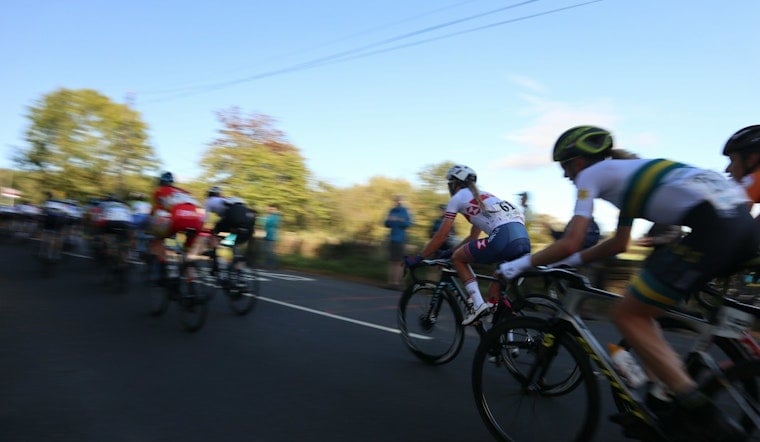
Wounded veterans and first responders will roll out from the Minnesota State Capitol on the morning of Monday, August 17, launching a more than 400-mile bike ride to Madison, Wisconsin, as part of an annual therapy program built around cycling instead of clinical treatment. The 2026 Great Lakes Challenge carries the theme “Thank a Farmer,” with organizers planning stops along the route to honor the agricultural communities the riders pass through.
The event is hosted by Project Hero Wounded Veterans, which has run the noncompetitive therapy bike ride annually since 2011, according to Pioneer Press. Riders will travel as one unified group, covering 50 to 95 miles per day as they make their way from St. Paul to Madison, passing through historic sites, civic centers and local attractions along the way. The ride benefits Healing Heroes, a program focused on developing resources to help heal PTSD for combat veterans, service members and first responders, the outlet reports.
Local veterans and first responders don't have to sign up for the full week to take part. Community members can join the ride on a single-day basis, per the Pioneer Press report, and the public is invited to line the route to support cyclists as they pass through. Full route details for each day are posted on the Ride with GPS events page, according to the same account.
A Route Through Two States, Mile by Mile
The 2026 itinerary sends riders from St. Paul through overnight stops in Red Wing and Rochester, Minnesota, before crossing into Wisconsin for stages in La Crosse, Reedsburg and Fitchburg, finishing near Madison, according to Project Hero. The organization handles lodging and rest stops for riders completing the full multi-city trek. Single-day participants must register in advance, pay a $75 fee and hit a $150 daily fundraising minimum, with no more than two days of riding allowed per person, per Project Hero's event guidelines — a structure designed to keep the ride safe and logistically manageable rather than allow same-day, on-site sign-ups.
This is not the first time the route has connected the two state capitals. In August 2024, Project Hero participants completed a similar 400-plus-mile Great Lakes Challenge from St. Paul to Madison, arriving at the finish to present a U.S. Capitol-flown American flag and a signed team jersey to officials at the Wisconsin Veterans Museum. That earlier trek similarly brought together wounded veterans and first responders across Minnesota and Wisconsin, establishing the multi-state ride as a recurring regional tradition.
Why Cycling, Not the Couch
Project Hero traces its roots to 2008, when it launched under the name Ride 2 Recovery after a pilot bike ride for veterans on suicide watch at a Palo Alto VA facility showed immediate psychological benefits, according to USA Cycling. The organization rebranded as Project Hero in 2016 as it grew beyond hosting events into running community hub programs and research initiatives. Between its founding and 2022, the group says it served more than 10,000 veterans and first responders while building and donating roughly 3,000 standard and custom adaptive bicycles, allowing even veterans with severe physical injuries or limb loss to join long-distance group rides.
The clinical case for that approach is significant. About 7% of all U.S. military veterans experience PTSD at some point in their lives, with the rate climbing to 15% in any given year among post-9/11 veterans of Iraq and Afghanistan, according to the U.S. Department of Veterans Affairs' National Center for PTSD. First responders face similarly elevated risk: a Substance Abuse and Mental Health Services Administration research review found that roughly 30% suffer from behavioral health conditions including PTSD and depression, compared to 20% of the general population.
Conventional treatment doesn't always stick. A meta-analysis of 181 studies published by the American Psychological Association found that 25.6% of military personnel and veterans drop out of standard PTSD therapy altogether, with dropout rates for traditional trauma-focused therapies climbing as high as 40.1%. Research from the University of Minnesota's REACH Lab has found that veterans with PTSD who cycled regularly saw significant reductions in hyper-arousal symptoms like anxiety and exaggerated startle responses, offering a non-pharmacological complement to therapy that riders don't have to sit still for.
Honoring Farmers Along the Way
This year's “Thank a Farmer” theme reflects a broader push to connect veterans with agriculture. The USDA-backed Homegrown by Heroes initiative, cited by the U.S. House Committee on Agriculture, now supports more than 800 veteran-owned agricultural operations nationwide as former service members transition into farming — a path many veterans take in agricultural states like Minnesota and Wisconsin. Bikers will make dedicated stops along the Great Lakes Challenge route this year specifically to honor farmers and the communities that depend on them.
More information on the ride, including how to donate or volunteer along the route, is available at weareprojecthero.org. For Minnesotans and Wisconsinites who want to catch the riders in person, the week ahead offers several chances: the pack departs the Minnesota State Capitol Monday morning and is expected to reach Madison after days of riding through Red Wing, Rochester, La Crosse, Reedsburg and Fitchburg.





