

























































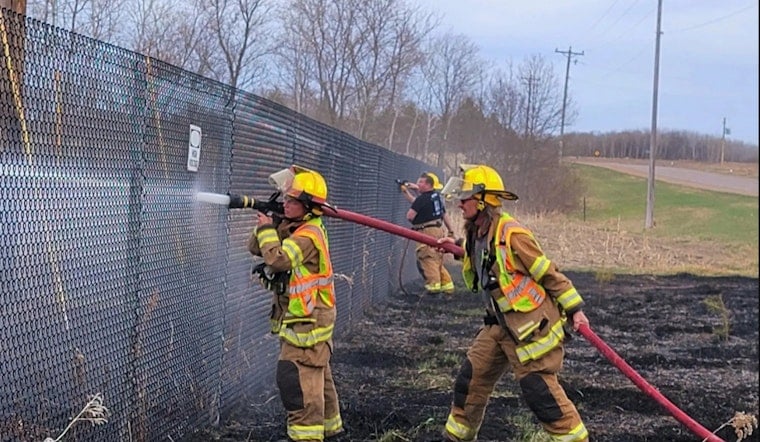
Minnesota firefighters hold within them memories of calls that are as much a shadow as they are a scar, indelible on the psyche. St. Cloud firefighter Deelia Guite, as revealed by the State Fire Marshal (SFM) division's publication, will never forget her first fatal fire's grim discovery in January 2023—a 24-year-old man and, harrowingly, his 4-month-old daughter. "I immediately put my hands out … and she was in my arms, and it was still so smoky in there. I couldn't see," Guite recounted in the SFM article. Unfortunately, this painful narrative forms part of a larger, grim tapestry as fatal fires in the state saw a rise from 56 in 2023 to at least 71 in 2024.
According to preliminary data, the SFM reports suggest a worrying trend with 62 percent of fire-related deaths occurring in single or double-family homes while a notable 65 percent happened outside the cosmopolitan safety net of the Twin Cities Metro Area and during the colder months; and of all 2024's fire victims, men comprised a staggering 71 percent, the spectre of mortality looming larger still over those aged 50 and older, who represented over 67 percent of that total. Chief Deputy State Fire Marshal Amanda Swenson, also a firefighter with Braham Fire Department, has her own history with the raw reality of fire deaths from November 2013 when she responded to a blaze that claimed the lives of two individuals in Isanti County both were her acquaintances and by the time help arrived, it was too late.
Swenson, mindful of the complacency of Minnesotans to fire risks, conducted a survey for the National Fire Academy finding a general lack of concern about the threat of a fire, "People aren’t really concerned," Swenson reported to the SFM publication, "They don’t think it’s a risk for them." Yet it is Swenson's contention, founded on hard-won experience, that it's the ingrained habits of a lifetime that often spell disaster—it's not an issue, until it becomes one, and then the cost might be too dear a price to pay for an oversight.
The SFM suggests simple but effective steps towards fire safety; including functional smoke alarms and carbon monoxide detectors, responsible smoking practices, attentive cooking habits, and safe heater use—as the article emphasizes, maintaining a distance of at least three feet from flammable materials and formulating a fire escape plan—these are not merely recommendations but lifelines. They are the thin red line between a routine day and the day the unthinkable takes hold and the hope is that, with due diligence, such tragedies as that which befell the young family last January can be averted.





