

























































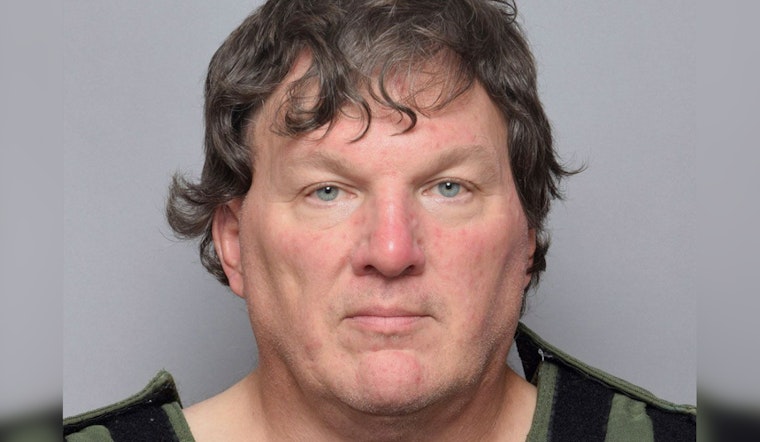
The Gilgo Beach murder case, which has captured national attention, is moving forward with a significant focus on the admissibility of a specific type of DNA testing known as 'nuclear DNA testing'. The defense for Rex Heuermann, the man accused of being the Gilgo Beach serial killer, is challenging the use of this technology in court, a method that, while used in forensics, has not seen its day in a New York courtroom before. According to a CBS News report, a Frye hearing has been set to examine the reliability and admissibility of the DNA evidence presented in the case.
The heart of the matter lies in the prosecution's use of 'whole genome sequencing' against Heuermann, with allegations that DNA from his discarded pizza box linked him to hairs from one of the victims. Michael Marciano, director of research for Syracuse University's Forensic and National Security Sciences Institute, said in a statement obtained by CBS News, "Rather than look at 24 to 27 areas of the DNA, which is what we typically do in forensic cases, we look at thousands, tens of thousands, hundreds of thousands of different variations in the DNA." His explanation delineates the vast scope of the genome sequencing that, according to the defense, remains a point of contention.
The upcoming Frye hearings are not only about the science itself but also about its acceptance in the field of forensic analysis, a standard the technology must pass to be considered admissible. As reported by The Mirror, this stage of the trial is expected to be a lengthy one, with eight witnesses poised to give their testimony, including doctors and forensic experts. The results from 'rootless hairs' found at the crime scenes are crucial; they were matched to Rex Heuermann or members of his immediate family.
While the prosecution looks to Kelley Harris, a computational biologist, to substantiate the scientific methods used, Heuermann's defense team questions the reliability of such tests. They have moved to exclude the DNA results pivotal to the case. Amid this legal and scientific scrutiny, the trial could become a landmark for the use of comprehensive DNA analysis in criminal proceedings. Marciano emphasized to CBS News that "this is the future, without a doubt," signaling that, regardless of the immediate outcome, the introduction of genome sequencing to the courtroom marks a pivotal moment in forensic science.





