

























































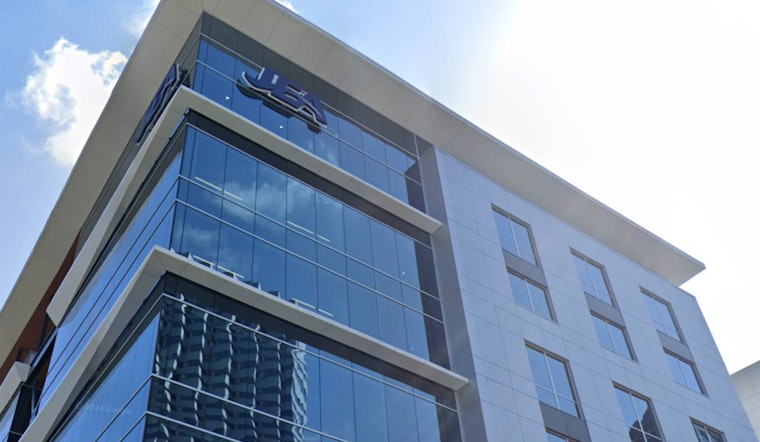
As the calendar turns to April, JEA customers in Northeast Florida are anticipating higher utility bills with a rate increase set to kick in starting April 1. According to a unanimous decision by the JEA Board of Directors, reported by News4JAX, electricity, water, and wastewater customers will see an average bill hike of about 3.7%.
Following a rigorous discussion spanning 4-to-5 months, the approved hikes are now finalized. With an increase based on individual consumption habits, some customers could see their monthly bills climb by $2-$10. The varied impact of the rate hikes reflects both property size and personal use, offering a sliver of solace to those who have implemented conservation measures. As the heat of summer approaches, concerns rise about the financial strain these higher costs will impose.
Come October, a second wave of increases will take effect. An additional 5.1% will be added to overall utility bills, as reported by Action News Jax. Despite these changes, JEA argues that the new tiered structure for electric rates will still allow for more affordable bills for lower-usage customers. This strategy, aimed at aligning revenue with service costs, is designed to keep JEA's rates competitive within Florida.
Business owners like Alison Vaughan are bracing for the financial hit; she's already considering how the increased utility costs could eventually roll down to her customers. "Electricity, I have to have it. I can't not run my AC. I cannot not run my ovens," Vaughan explained to First Coast News. In response, JEA has pointed to its rates, which, even with the hike, are claimed to remain lower than many other cities in Florida — with a 2024 Jacksonville bill of $205 comparing favorably against $305 in St. Petersburg or $256 in Tallahassee.
The utility's justification for the increase includes meeting stricter regulatory requirements, managing rising operation costs, and addressing the growing energy and water needs of the region. While some customers like Debbie Grisnik express empathy more than personal concern, saying to First Coast News, "It really doesn't impact me that much, but I feel sorry for people who are really affected by it," it remains clear that the days of lower rates are drawing to a close, leaving the community to adjust to the new fiscal realities of Northeast Florida's energy landscape.




