

























































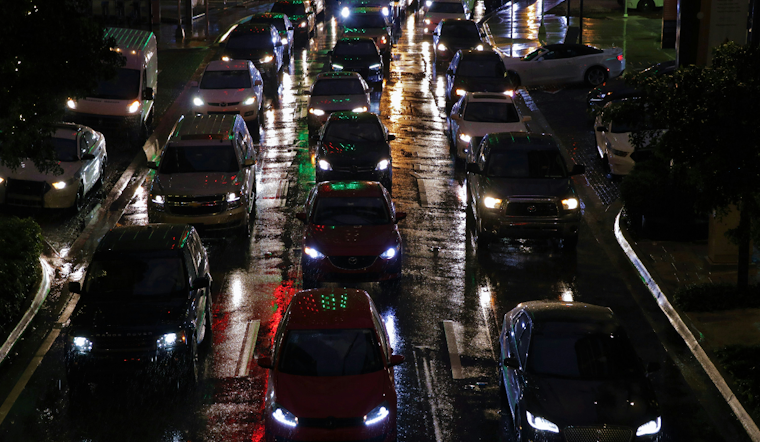
If it feels like Central Florida roads turn into a different world after dark, the numbers back you up. A fresh national analysis just ranked Florida the third most dangerous state in the country for night driving, and the gap between daytime and nighttime risk is not small. From Orlando’s clogged arteries to Miami’s late-night corridors, safety officials are sounding the alarm on what happens after sunset.
National analysis and what it measured
According to MoneyGeek, driving at night is nine times deadlier nationwide, and Florida’s risk jumps to about 11.2 times more deadly after sundown. The analysis compared records from the National Highway Traffic Safety Administration’s Fatality Analysis Reporting System with federal travel-exposure data, so the ranking reflects how little driving actually happens at night versus how many people are still dying on the roads.
State numbers show a heavy nighttime share
Local figures echo that national picture. An analysis of federal crash records reported by WFTV, drawing on NHTSA data, found that Florida recorded 1,734 nighttime fatal crashes out of 2,931 total fatal crashes in 2024, roughly 59.2 percent. That raw count was the third highest in the nation, behind Texas and California.
State totals tell a similar story even when the numbers do not match exactly. The Florida Department of Highway Safety and Motor Vehicles’ Crash Dashboard lists 3,184 traffic fatalities in 2024, a figure that can differ from federal counts because of reporting lags and definitional differences. Taken together, both sets of records point to the same bottom line: a substantial share of Florida’s traffic deaths is happening after dark.
Visibility, fatigue and impairment
Traffic safety experts largely agree on why those night hours are so dangerous. Reduced visibility, driver fatigue, and alcohol or drug impairment are the big three. The National Highway Traffic Safety Administration counted 644 drowsy-driving deaths in 2024 and noted that sleepiness-related crashes spike between midnight and 6 a.m. NHTSA also warns that these wrecks often show little or no braking, which lines up with micro-sleep episodes behind the wheel.
Florida layers on a few structural problems of its own: high pedestrian and hit-and-run rates, a constant churn of tourists unfamiliar with local roads, and long rural stretches with limited lighting. A Governors Highway Safety Association review found that nearly 77 percent of pedestrian fatalities with known light conditions occurred after dark, underscoring how much of the overnight toll falls on people outside vehicles.
How to reduce your risk tonight
Experts say there are straightforward ways to tilt the odds in your favor. Avoid driving during peak sleepiness hours when you can, make sure headlights and mirrors are clean and properly aimed, take a short nap before a long night run, and never get behind the wheel after drinking. Safety checklists from MoneyGeek and federal agencies also recommend planning routes on well-lit roads and building in breaks on longer trips to limit exposure after dark.
For drivers in Orlando, Tampa, Miami, and Jacksonville, the message is blunt but simple: treat night trips differently. Slow down, stay rested, and give yourself more room to react when the lights go out.





