

























































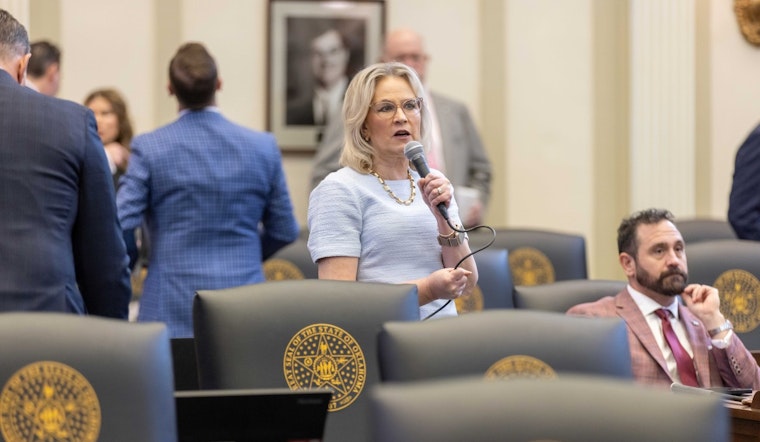
In a decisive move to tackle the shortage of social workers in Oklahoma, the state's House of Representatives passed a bill that could significantly alleviate the issue by easing the licensing process for out-of-state professionals, reported the Oklahoma House of Representatives on their official website. The bill, known as House Bill 2261 and championed by Rep. Nicole Miller of Edmond, sailed through the House and is now looking to make a splash in the Senate.
With Oklahoma scrambling to provide enough licensed clinical social workers—meeting a mere 67% of its estimated need, the bill proposes the state join the Social Work Licensure Compact, a move that could attract a significant influx of professionals ready to lend their skills, something Rep. Miller insists will reduce the wait times that Oklahomans currently face for essential mental health services, she cited "Oklahomans shouldn’t have to wait for critical mental health and case management services simply because we don’t have enough providers," adding that, "Removing unnecessary licensing hurdles will make it easier to recruit and retain professionals ready to serve our communities."
It's not all about throwing open the doors, though; the compact has been structured to keep a tight rein on standards and ensuring that those who practice in Oklahoma are kept in check—regulators will have a data system at their disposal to monitor out-of-state licensees, looking into investigative records and disciplinary actions, “Streamlining the licensing process doesn’t mean lowering standards,” Miller assured, underscoring that Oklahoma would maintain its own legal framework even as it welcomes a greater pool of qualified labor from around the country.
Resistance to change is often a byproduct of well-intentioned caution, yet this compact has already garnered the approval of 22 states, among them being neighboring Kansas, Missouri as well as Colorado and Louisiana; if Oklahoma joins the fold, they'll tap into a reservoir of approximately 500,000 licensed social workers to help plug their workforce holes and with HB2261's adherence to the National Center for Interstate Compacts’ guidelines, there remains little room for the kind of deviation that would jeopardize Oklahoma's eligibility.





