

























































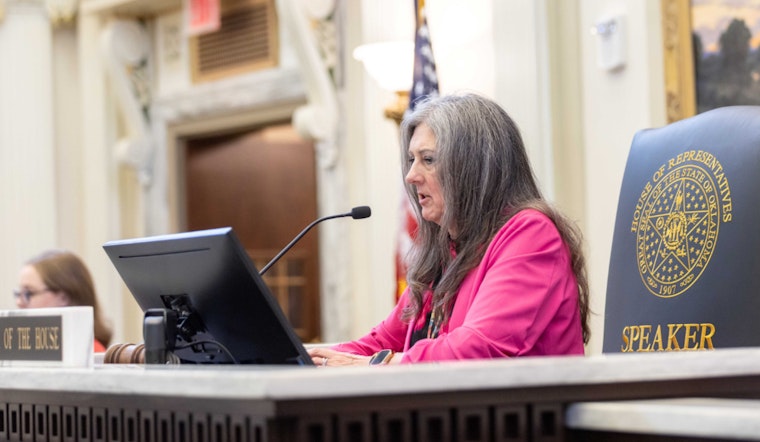
A crucial piece of legislation is paving the way toward potentially saving thousands of lives in Oklahoma. House Bill 1686, designed to strengthen the fight against sepsis, has successfully cleared the House floor, moving on to the Senate with strong backing from lawmakers. Introduced by Rep. Cynthia Roe, R-Lindsay, the bill was approved with a decisive vote of 86-7. Aiming to foster early detection and treatment, HB1686 is a beacon of hope for patients grappling with this life-threatening condition.
Under the new bill, if enacted, Oklahoma hospitals would be mandated to establish and implement sepsis treatment protocols. This initiative looks to not only bolster the chances of patient survival but also weave a safety net for those ensnared by the high costs of healthcare. Notably, the bill has the potential to bridge critical coverage gaps, permitting Medicare and Medicaid billing for early prevention efforts, which was previously limited by changes in 2016 to only include severe cases of sepsis involving organ failure, leaving some patients with early-stage sepsis struggling to afford care. “Sepsis is a life-threatening condition, and timely intervention is key to saving lives,” Roe told the Oklahoma House. She emphasized the bill's goal to ensure hospitals are well-equipped to pursue early detection and intervention.
Often described as a race against time, sepsis arises when the body's response to an infection spirals into widespread inflammation, which can result in tissue damage, multiple organ failure, and even death. The proposed legislation not just recognizes but rallies against the ticking clock that healthcare providers face, endeavoring to shift the narrative towards a more proactive stance in sepsis care. As per information gathered from the Oklahoma Hospital Association, up to 80% of sepsis-related deaths could be averted with early detection and the correct treatment.
The forward progression of HB1686 ignites a flame of optimism for myriad Oklahomans – for the families and friends who await in sterile hospital corridors, for the medical staff who labor under the weight of crucial decisions, and for the patients whose very lives hang in the balance. If the Senate gives its nod and the bill finds itself etched into law come November 1, this legislation could significantly diminish mortality rates and alleviate the economic strains faced by patients and hospitals alike.





