

























































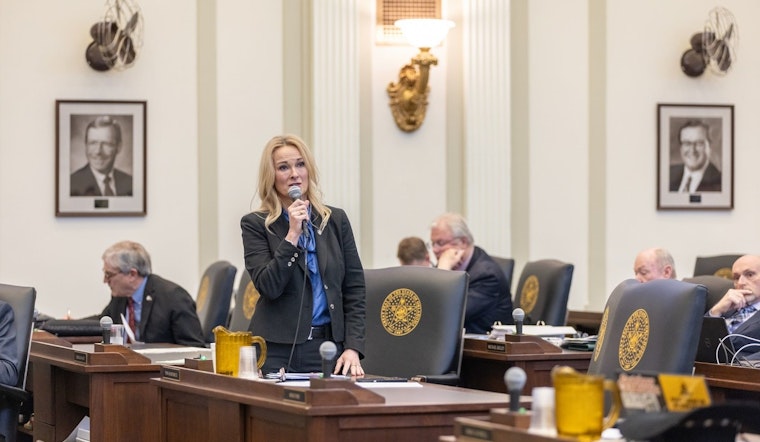
In a unanimous decision, the Oklahoma House of Representatives has taken a decisive step against the digital perpetuation of sexual harassment by passing a bill aimed at curbing the misuse of AI in creating revenge porn. Crafted by Rep. Toni Hasenbeck, R-Elgin, House Bill 1364 seeks to extend current revenge pornography laws to include sexually explicit images generated by artificial intelligence, as reported by the Oklahoma House website.
Revenge pornography, which vilifies individuals through unauthorized sharing of private sexual images, was classified as a misdemeanor in Oklahoma back in 2016. HB1364, now heading to the Senate for consideration, positions AI-created revenge porn under that same legal umbrella. Acknowledging the rising threat, Hasenbeck argued, "Artificial intelligence continues to reshape the landscape of both innovation and privacy, and it's critical that our laws evolve to protect our citizens from potential harm." She insists that even though these AI-generated images are fabricated, they represent a severe infringement on individual dignity and privacy.
Hasenbeck, understanding the gravity of these digital transgressions, spearheaded previous legislation that broadened the definition of "child pornography" to encompass artificial intelligence-produced depictions of minors in explicit scenarios. The enactment of House Bill 3642 in the previous year now subjects offenders to felony charges for creating, or viewing AI-generated child pornography.
With a resounding 90-0 vote, the measure has swept through the House and now awaits the Senate's scrutiny. If HB1364 passes into law, as it stands, this prospective framework illustrates Oklahoma's commitment to addressing the nuanced and evolving threats posed by technology's dark potential. "This bill protects the autonomy and rights of every individual, no matter how technology may continue to evolve," Hasenbeck emphasized, conveying a stance echoing across the state's legislative chambers. These recent moves represent a growing trend as lawmakers nationwide grapple with the ethical ramifications and legal implications of rapidly progressing digital tools.





