

























































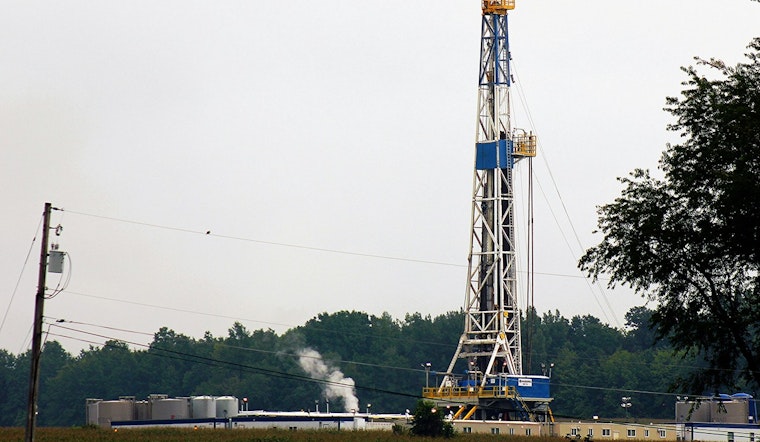
The Oklahoma Senate has pushed through a piece of legislation aimed at tackling the state’s abundance of inactive gas wells. Senate Bill 132, shepherded by Sen. George Burns, lays out a framework for the fate of wells that are not currently in operation.
These so-called "shut-in gas wells", currently on pause due to various reasons ranging from market fluctuations to regular maintenance, now come with an expiration date. The bill, if given final approval, would grant inactive wells a maximum dormancy of seven years post-effective date. For wells already shut out prior to the bill's passage, their owners will have a window of ten years to decide their fate, whether to plug them or resume production, according to the Oklahoma Senate's press release.
Senator Burns described the bill as a balancing act, ensuring "that our energy resources are managed efficiently while preventing long-term environmental concerns," he mentioned in the statement. The goal seems to be a more responsible approach to energy resource management, with enforced deadlines spurring owners to take action on their dormant assets.
The proposed legislation isn't shy about setting ambitious targets either. By July 1, 2028, a 25% reduction in the number of shut-in wells is expected, stepping up to a 50% reduction by July 1, 2031, and ultimately aiming for a full elimination by July 1, 2035. These markers, if the bill passes through the House and is signed into law, will be overseen by the Oklahoma Corporation Commission , which is slated for the responsibility of implementation and enforcement.
The bill's trajectory is now set towards the House for further scrutiny and voting. If it becomes law, it may herald a significant shift in Oklahoma's approach to oil and gas well regulation, as well as its broader commitment to managing the state’s natural resources and environmental health.





