

























































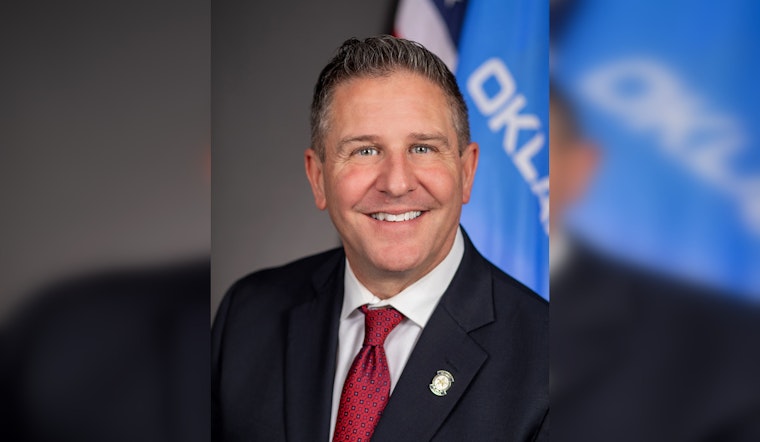
The Oklahoma Senate has passed two bills introduced by Senator Todd Gollihare that enhance property rights and reform care for Medicaid recipients, measures that may ripple across state lines in a political climate where rights and healthcare demand a steady hand.
The first of these, Senate Bill 352, mandates a review process for high-voltage energy projects before eminent domain can be exercised. Gollihare believes this serves as a safeguard against the monopolization of power—both electric and political—preventing the seizure of Oklahomans' land without proper oversight and landowner consent. As he stated in an Oklahoma Senate press release, "Oklahoma property owners deserve strong protections against the overreach of eminent domain."
Meanwhile, Senate Bill 56 addresses an equally critical front—healthcare for the vulnerable—by allowing Medicaid recipients to receive in-home care from family members who would be compensated for their caregiving under the oversight of Registered Nurses, aiming to wrap the care in the warmth of family while ensuring medical standards remain high, and "by allowing family caregivers to be recognized and reimbursed for providing essential services under the direction of a registered nurse, this legislation empowers families to care for their loved ones while maintaining quality standards," as Gollihare described the ambition of the legislation, as mentioned in the same press release.
Both bills signal a blending of traditional values with modern policy directives as Oklahoma navigates the tightrope walk between development, rights, and social welfare—pivots that might offer a blueprint for other states grappling with the conundrum of protecting individual rights while not stymieing progress. It is a balancing act of legislative acumen and empathy, and as the bills move forward, their impact could echo beyond the Sooner State into a broader national conversation on property and caregiving rights.





