

























































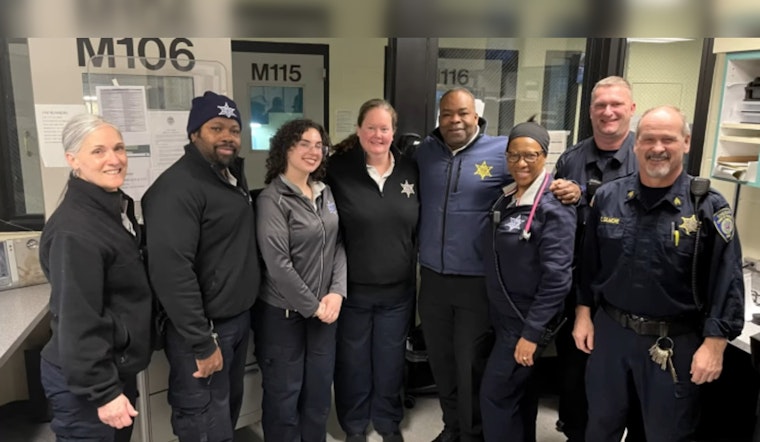
In the confines of Plymouth County Correctional Facility, the spotlight stirs not for the usual suspects but for the medical teams working diligently behind bars. A recent social media post from The Plymouth County Sheriff's Department reveals the inner workings of a segment of the correctional system that often shuns the limelight: the medical unit and the MOUD Clinic, designed to treat individuals with opioid disorders. According to the Facebook post, care and security meld to deliver necessary medical intervention for those incarcerated.
Ensuring inmates receive proper health care is a multifaceted enterprise. Corrections officers, tasked with the crucial role, are perpetually on the beat, maintaining order so that medical professionals can provide treatments without unwanted interruptions. Juggling security with health care, these units are licensed Opioid Treatment Providers, a title verifying their capability to manage substances for opioid disorder effectively. Starting their day early, the MOUD clinic doses out meds at the brisk hour of 6:30 am, attending to an average of 60 to 70 patients daily.
The clinic is no small operation, encompassing treatment rooms, a pharmacy, and overnight stay rooms within the correctional facility. It's a healthcare microcosm in a place defined by its secure borders. The medical clinic, operating non-stop throughout the year, extends its reach beyond the clinic walls, extending medications directly within housing units. It’s an around-the-clock effort to ensure care is continual and comprehensive.





