

























































In their recent publication, the Portland Bureau of Transportation (PBOT) provided encouraging news, revealing a 19 percent decrease in traffic fatalities for 2024, marking a descent from the previous year's high and instituting the lowest count since 2020—yet still above average pre-pandemic levels. According to a news release from the City of Portland, most of the reduction stemmed from motor vehicle occupants, while other modes remained constant.
While Portland may illustrate a downward trajectory in motor vehicle deaths, excessive velocity and historically dangerous roads persist as prominent threats. A whopping 71 percent of deadly incidents occur on the so-called High Crash Network, with around half involving high-speed scenarios—figures that too often overshadow the progress being made in the fight against needless loss on Portland’s streets. Nearly half of all traffic deaths have occurred in District 1, which harbors higher populations of people of color and lower-income residents, prompting concerns about equitable city planning and infrastructure investment. “Traffic safety isn’t just the work of one bureau—it’s a citywide commitment,” Deputy City Administrator of Public Works Priya Dhanapal said on the City of Portland website. “Every traffic death is preventable, and through Vision Zero, we are taking action to make our streets safer.”
The analysis also highlighted nocturnal hours as deadly, pointing to conditions of darkness during which a majority of traffic fatalities transpired; pedestrians, in particular, find themselves disproportionately victim to such incidents. To confront these tragedies, PBOT has initiated a suite of road safety measures, such as lowering speed limits on critical streets, enhancing street lighting, and introducing more speed and intersection safety cameras.
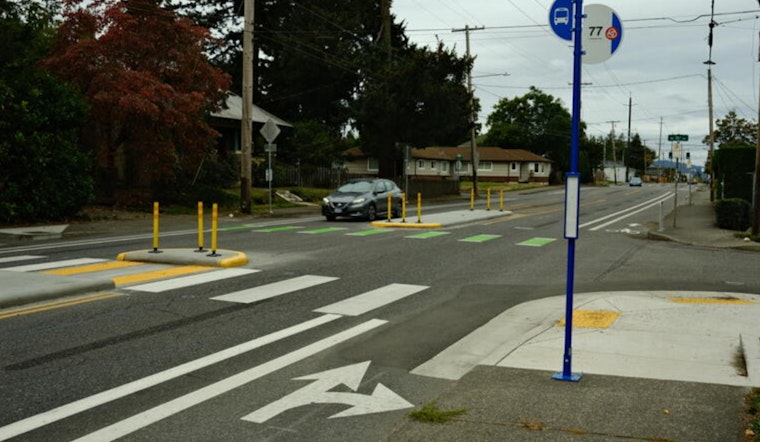
Moreover, infrastructural undertakings, such as reorganizing roadways to include bike lanes or new sidewalks, are showing positive impacts. The NE 102nd Avenue Safety Project has been hailed for improving safety with fewer crashes without hindering traffic flow—providing a tangible testament to PBOT’s committed approach to making streets more accommodating for all. Similarly, PBOT Director Millicent Williams emphasized that while the decrease in traffic deaths is heartening, consistency over time matters more. On the City of Portland website, she stated, “We are gratified to see traffic deaths decline, but one year does not make a trend. We encourage everyone to continue to be conscientious, to drive with caution, and look out for pedestrians and people biking.”
As St. Patrick’s Day approaches, PBOT is implementing its Safe Ride Home campaign, offering discounts on taxis, Uber, and Lyft, as well as free rides on public transportation during the weekend's celebrations. This initiative aims to provide safer transportation options for residents traveling during a period associated with an increased risk of impaired driving. While infrastructure changes contribute to traffic safety, individual decisions also factor into the city's Vision Zero efforts, which focus on reducing traffic-related deaths and serious injuries in Portland.





