

























































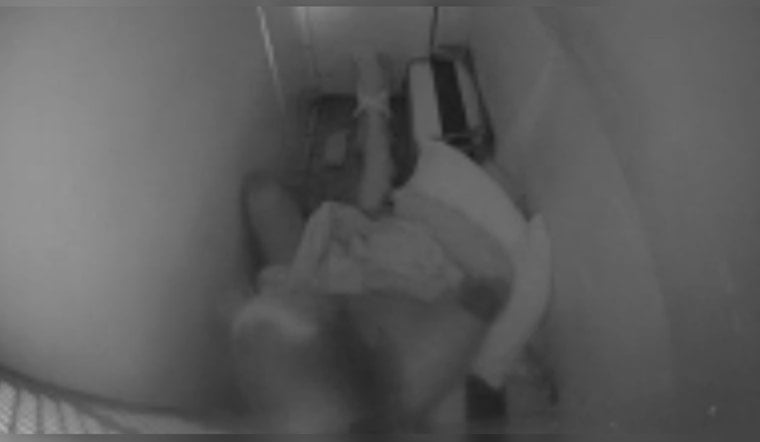
A legal fight has unfolded in Racine as local resident Adam Locke accuses the city's police department of egregious mistreatment during his transport from a hospital to the county jail. In one federal lawsuit, Locke claims his civil rights were violated when Racine officers allegedly disregarded his pleas for help in the sweltering conditions of a police transport van, TMJ4 reports. The July 14, 2024, incident has now burst into the forefront with the legal counsel of civil rights attorney B'Ivory LaMarr challenging the currents of justice.
Following a robbery and subsequent police chase on June 30 that ended in a serious crash, Locke sustained significant injuries. He was being transported from Froedtert Hospital on July 14 when he reportedly began to suffer from the heat in the poorly ventilated police van. Video evidence of the incident shows him in distress, begging the officers for air and assistance. "Officer, can you go as fast as you need to, because I can't breathe. I don't have any air," Locke said in body camera footage provided by WISN. A second lawsuit in Racine County is currently seeking the turnover of what may be further damning public records.
Details from the lawsuit filed on March 25 highlight the severity of Locke’s alleged experience. After Locke repeatedly signaled his distress, officers pulled the van over but soon resumed the trip without adequately attending to his needs. According to TMJ4, the lawsuit also paints a grim scene where Locke was eventually found naked, exposed, and untreated in front of an apartment complex as his condition worsened, leading to him being hospitalized for heat exhaustion.
The aftermath of the incident left Locke wheelchair-bound, suffering significant physical and emotional pain, the federal lawsuit alleges. The pursuit of recompense climbs into the millions, with Locke's legal team arguing for tangible recognition of the "deliberate indifference and cruel and unusual punishment" he endured. According to an interview obtained by FOX6, the federal case highlights the contentious dialogue between the narrative presented by law enforcement and that told by the physical and digital evidence at hand – an account emerging like a stark chiaroscuro of civil liberties under flame.





