

























































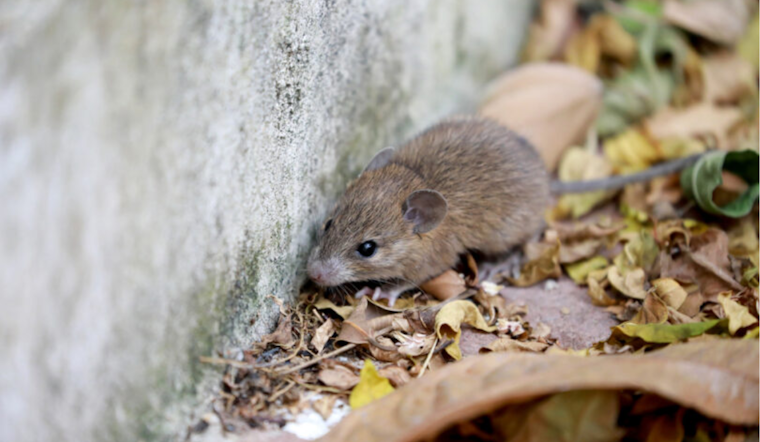
Following the tragic loss of Betsy Hackman, wife to Oscar-winning actor Gene Hackman, due to hantavirus complications, public attention has swiveled towards the relatively obscure but potentially deadly virus. County medical investigators confirmed this in a case that reminds us that viruses naturally housed in the wilderness can impact humans. As reported by the County of San Diego, hantavirus is a serious business, though an encounter with it is rare.
San Diego County has had its share of hantavirus cases, with the vector control wing of the County Department of Environmental Health and Quality routinely testing wild rodents to monitor the virus' activity. In 2024, the county saw 25 cases, and seven positive tests among mice have already been recorded in the early months of 2025. Despite the frequency of finding the virus in rodents, the likelihood of people coming in contact with these infected animals remains low since they generally maintain a berth from humans.
The symptoms of the hantavirus can range from severe muscle aches and high fevers to difficulty breathing, all appearing one to eight weeks post-exposure. As with other health concerns, seeking medical attention without delay is crucial if exposure is suspected.
One of the cornerstones for preventing hantavirus infection is understanding how it spreads: often through inhaling air where the virus, shed in the urine, feces, and saliva of infected rodents, has been kicked up into the air from dried matter. The county stresses adopting "wet cleaning" methods, including using bleach or other disinfectants and rubber gloves, particularly around areas where rodents might have invaded. Sweeping or using a vacuum is a no-go, as these actions might inadvertently send the virus airborne and ready to inhale.
Additional preventative measures include sealing up holes in buildings to keep rodents out, avoiding rodent-infested places, and cleaning up any signs of rodents with the suggested "wet cleaning" approach. This method involves ventilating the space before cleaning, soaking all contaminated areas and materials with disinfectants, and then mopping or sponging away the mess.



