

























































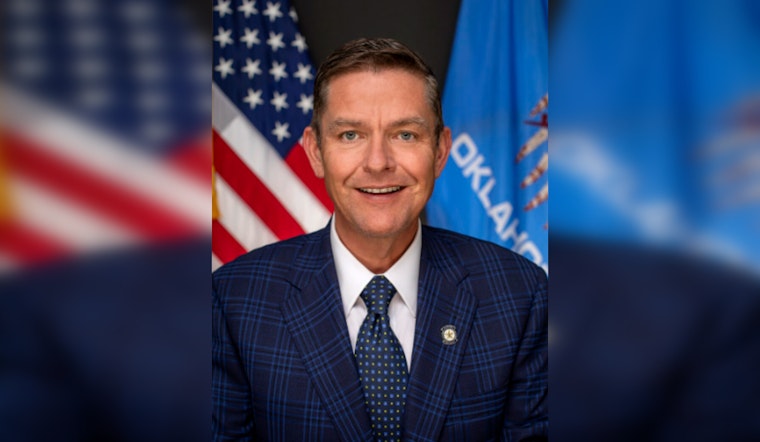
In a recent statement that ruffled more than a few feathers in Oklahoma, Sen. Mark Mann weighed in on the Trump administration's decision to consider the Oklahoma City Federal Building for disposal. Less than thirty days shy of the somber 30th anniversary of the Oklahoma City bombing, a landmark of deep historical significance may soon be listed as an expendable asset, according to the Oklahoma State Senate.
"Just a month away from the 30th anniversary of the Murrah bombing, this action by the Trump administration is tone-deaf, at best," said Mann, as reported by the Oklahoma State Senate. A D-Oklahoma City senator, Mann expressed not just his disappointment but a certain frustration with the move, questioning the timing and the apparent lack of comprehensive evaluation behind the decision.
Mann's criticism didn't stop at the administration's apparent insensitivity. "The agencies and employees housed in the Oklahoma City Federal Building provide valuable services to Oklahoma, the region and the country. Enough is enough. It's time for Oklahoma’s congressional delegation to stand up to Trump," he articulated. He emphasized that such decisions ought to be "data driven – not a political stunt," signaling a desire for more judicious and less capricious governance, as stated by the Oklahoma State Senate.
The idea of treating a site of deep emotional and historical significance as just another budget item has understandably sparked strong reactions, especially from the Oklahoma community. As the debate over the Oklahoma City Federal Building continues, people like Mann are calling for a reevaluation of what should be considered "non-core" when it impacts the heart and history of a community, as per the Oklahoma State Senate.





.jpg)