

























































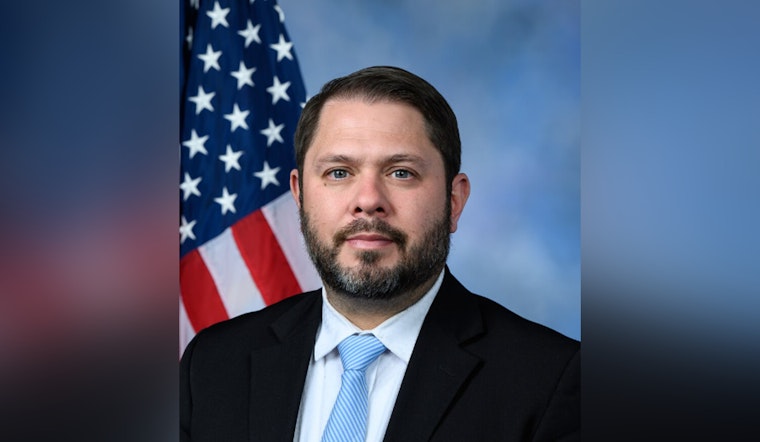
Senator Ruben Gallego (D-AZ) has introduced the Excess Urban Heat Mitigation Act, a bill proposing a $30 million grant program to address urban heat islands. The program would fund projects aimed at reducing heat in cities through measures such as increased shade and cooling infrastructure. In a press release, Gallego stated, "As summers in Arizona and across the country get longer and hotter, they also get deadlier – especially in cities where a lack of shade and miles of concrete push temperatures even higher," according to the Office of the Senator.
Maricopa County, Arizona, reported 602 heat-related deaths last year. A proposed grant through the U.S. Department of Housing and Urban Development would fund local projects such as cool roofs and tree planting to reduce urban heat. Senator Ed Markey (D-MA) stated, "Extreme heat has become a near universal experience for families across the country, and its effects are particularly dangerous for marginalized communities." He added, "The Excess Urban Heat Mitigation Act would address years of underinvestment in these communities by directing federal resources toward life-saving solutions – such as increased tree canopy, shaded bus stops, and community cooling centers." The bill has bipartisan support and backing from multiple organizations, as reported by the Office of the Senator.
Arizona leaders and advocacy groups support Senator Gallego’s Excess Urban Heat Mitigation Act, which focuses on infrastructure and education to address extreme heat. Phoenix Mayor Kate Gallego and Tucson Mayor Regina Romero emphasize the need for cooperation and federal funding to expand heat mitigation efforts. Advocacy organizations, including The Nature Conservancy and American Forests, back the bill. The Nature Conservancy’s Arizona director stated, “Senator Gallego’s Excess Urban Heat Mitigation Act will provide much needed resources to achieve those goals, with a focus on the communities who need them most.” American Forests Vice President of Urban Forests Policy Joel Pannell added, “Trees are life-saving infrastructure,” as stated by the Office of the Senator.



