

























































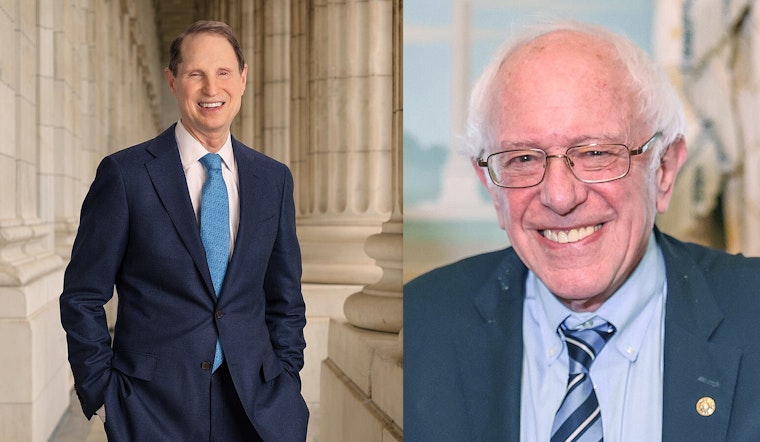
Senators Ron Wyden of Oregon and Bernie Sanders of Vermont have taken a staunch position against the Trump administration's sudden halt of student loan repayment programs. In a united front with 23 other Democrats, they have sent a scathing letter to the Department of Education. As reported by wyden.senate.gov, their urgent missive calls out the abrupt policy shift that leaves working-class borrowers scrambling to navigate a future without income-driven repayment (IDR) plans.
Caught in the crossfire are over 12 million loan borrowers who now face the unenviable task of shouldering increased financial burdens. The senators argue that removing IDR plans could saddle borrowers with debt for years, while also being detrimental to lenders. "It is unacceptable for the Trump Administration to take any action that will increase costs or make life harder for everyday Americans," Wyden and Sanders highlighted in their letter, as the borrowers were left hanging in limbo, including the many veterans, teachers, and nurses reliant on such plans.
Adding to this predicament, the senators point out that countless federal employees have found themselves jobless due to Elon Musk and other influential figures championing a so-called agenda of cost-cutting. Meanwhile, a legal standoff concerning student debt forgiveness challenges further exacerbates borrower woes, causing delays or outright rejections for those enrolled in the public service loan forgiveness (PSLF) program.
With the collective might of Senators including Elizabeth Warren, Dick Durbin, and others, the letter delves into the repercussions of such freezes. The cessation of affordable repayment options, according to the letter, wasn't mandated by any court order but appears as a deliberate strategy purposed to burden millions with additional economic hardship. Aissa Canchola Banez, Policy Director at the Student Borrower Protection Center, criticized the administration's decision, "The Trump administration's choice to cut off access to affordable repayment options passed by Congress is cruel and will push millions of working families further into debt," she decried, aligning with the concern raised by Wyden and Sanders.
This coalition of lawmakers has thus demanded the restoration of these repayment options and insists on transparency. Borrowers, they argue, must be afforded the necessary information to effectively manage their student loan debt amidst such chaotic policy shifts. The battle lines are drawn as both sides brace for what seems to be an escalating conflict over the financial futures of millions of Americans burdened by student loan debt.





