

























































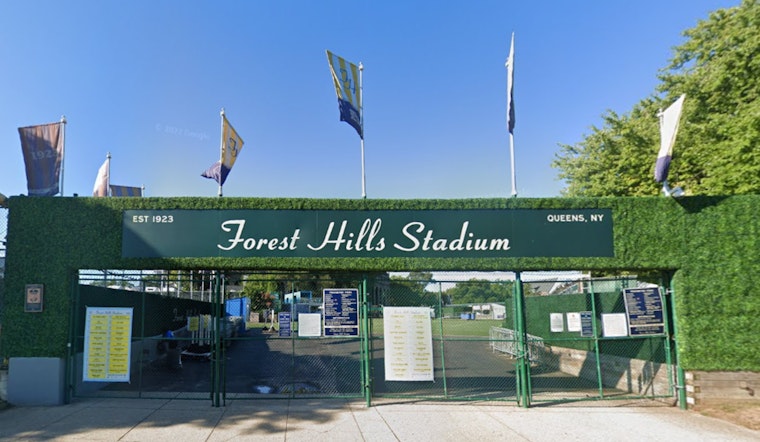
Forest Hills Stadium's musical future is uncertain this summer due to ongoing negotiations over noise and neighborhood access, leaving the venue without a sound amplification permit. The stadium, which has been the stage for legendary acts over the decades, can't currently host the 13 shows planned for the summer, including notables such as Phish, The Black Keys, Alabama Shakes, and Leon Bridges, unless the West Side Tennis Club and their neighbors reach an agreement on how to manage the concert clamor that some residents claim is wreaking havoc on their peace and quiet, and their properties, as reported by The New York Post.
The angst has been accelerating for some time as residents have grown increasingly peeved with shaking walls and cacophonous sounds infiltrating their homes, some saying it's to the point where tiles are literally shaking off their roofs and kids' grades are taking a hit, a rather troubling domino effect of the sonic persistence. The city has said that without access to certain private roads, which the Forest Hills Garden Corporation has denied them, public safety strategy can't be executed, which led to the denial of permits by the NYPD, according to a letter cited by The New York Post.
While some Forest Hills residents are claiming victory in what they see as a recognition of their grievances stakes just rose for the venue's operators who insist discussions are ongoing, "We trust that the FHGC and the West Side Tennis Club will be able to reach an appropriate compromise," an NYPD spokesperson expressed optimism in comments additionally reported by NBC New York. On the flip side, the stadium is claiming it's business as usual, firing off a post proclaiming the 2025 concert season "is moving forward," and blaming the situation on what they describe as a "vocal NIMBY minority."
Yet the clash between commercial entertainment and residential tranquility is proving to be a complex one, amid lawsuits and a stark divide over what an urban neighborhood can support in terms of large-scale events. FHGC president Anthony Oprisiu conveyed a tempered stance, stating, "We remain committed to working with all stakeholders to find a balanced solution that addresses concert impacts while respecting our community," a sentiment also echoed in statements obtained by The New York Post.





