

























































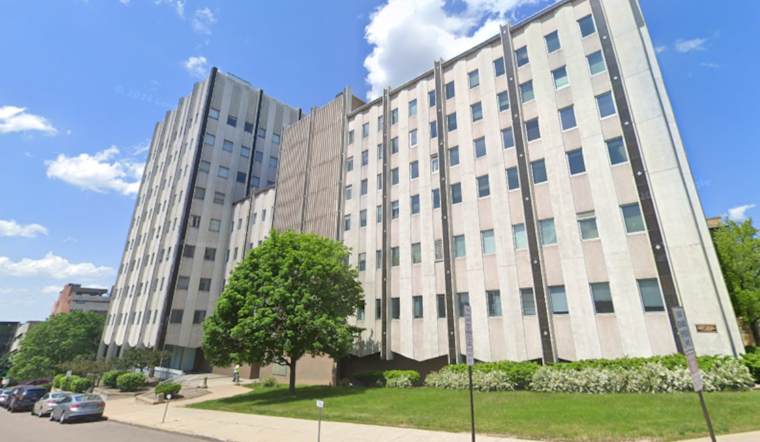
Summit County Sheriff's Office is poised to ramp up its efforts in tackling addiction within its walls. The office announced a grant award of $187,000 from the Opioid Remediation Grant, courtesy of the Ohio Attorney General's Office. Sheriff Kandy Fatheree shared the plan to bring on board a full-time Advanced Practice Registered Nurse (APRN) as an Addiction Services Coordinator, a new position at the Summit County Jail aimed squarely at addressing the oft-overlooked epidemic within the incarcerated community, per an official statement from the Sheriff's office.
Substance abuse is a massive issue within the confines of jail, with an estimated 65% of inmates nationwide dealing with addiction to opioids or other drugs. In Summit County, these numbers are even higher. "It’s upwards of three-fourths in our jail," Fatheree said through the Summit County Sheriff's Office. This grant aims to improve the current system where medically assisted treatment was available in limited capacity and primarily focused on those in acute detox or had special circumstances. Fatheree's approach, informed by evidence-based practices, is designed to align with legal standards and a broader vision of care and rehabilitation.
The role of the Addiction Services Coordinator is multifaceted. Charged with assessing inmates upon their arrival, the professional will swiftly initiate necessary treatment. Armed with the authority to prescribe medication for opiate use disorder and to create comprehensive treatment plans, the APRN will also monitor inmate progress while planning sustainable transitional care and re-entry. This extends beyond the jail's walls, too, ensuring coordination with community treatment providers and social support services and that once released, the path to recovery remains steadfast for individuals.
In addition to their in-jail responsibilities, this coordinator will work closely with various courts to connect individuals to medication-assisted treatment and refer them to specialized docket treatment courts. "These individuals need care from a professional that specializes in these issues, and that can provide a treatment plan to help them recover and ideally avoid relapse," Fatheree pinpointed, according to Summit County Sheriff's Office, hinting at a more comprehensive rather than a purely punitive approach to justice. The goal is not just to manage compliance during incarceration or trial but to possibly influence a reduction in sentencing—wielding the power of recovery as a transformative tool within the justice system.
Fatheree's optimism about the initiative is palpable, grounded in a belief in the intrinsic capacity for change among those battling addiction. "Many of these individuals have the desire and the inner strength that it takes to stay sober, but they need that initial helping hand to pull them up," she told the Summit County Sheriff's Office. Hiring the Addiction Services Coordinator represents a significant stride towards rehabilitation and, ideally, a future where fewer faces are seen behind bars, not from punishment, but from true healing.





